
In This Article
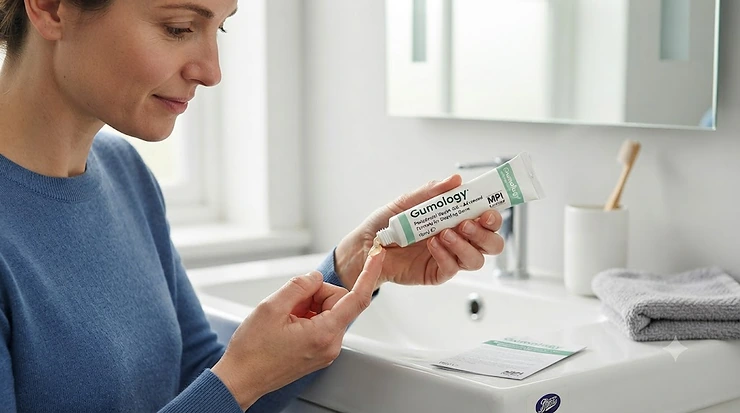
Right, let’s talk about something nobody enjoys discussing over dinner: spitting pink foam into the sink after brushing. If you’ve landed on this bleeding gums gel review, chances are you’ve had that exact moment — mid-brush, mid-yawn, staring at the basin thinking “that’s new.” You’re not alone, and more importantly, you’re not stuck. A good gum gel for bleeding gums can calm things down within days, not months, provided you pick one that actually matches what’s going on in your mouth rather than the prettiest tube on the pharmacy shelf.
This isn’t a rewritten Amazon listing dressed up in bullet points. We’ve dug into real product specs, real ingredient lists, and genuinely aggregated review sentiment for seven products sold on amazon.co.uk, so you can work out which topical gum treatment gel suits your situation — whether that’s plaque-driven gingivitis, a denture rub, or gums that flare up every time you get a cold. We’ll cover chlorhexidine gels, hyaluronic acid serums, and gentler botanical options, with honest pros and cons for each. One quick note before we dive in: persistent bleeding gums are worth mentioning to a dentist, because a gel treats the symptom while a hygienist deals with the plaque and tartar actually causing it.
What is a bleeding gums gel? It’s a topical application designed to sit directly on inflamed or bleeding gum tissue, typically using antibacterial agents like chlorhexidine, healing agents like hyaluronic acid, or soothing botanicals, to reduce inflammation, calm gum soreness, and support tissue repair between brushes.
Quick Comparison Table
| Product | Best For | Key Ingredient | Price Range |
|---|---|---|---|
| Corsodyl 1% w/w Dental Gel | Fast-acting plaque control | Chlorhexidine 1% | £15-£25 |
| Gengigel Oral Gel | Gentle daily healing | Hyaluronic acid | £10-£16 |
| Bonjela Adult Gel | Sore spots & ulcers alongside bleeding | Choline salicylate | Under £6 |
| Curasept ADS 350 Gingival Gel | Post-dental-procedure care | Chlorhexidine 0.5% | £10-£15 |
| Apiprodent Gel | Natural/botanical preference | Propolis, myrrh, clove oil | Under £10 |
| Wisdom Chlorhexidine Antibacterial Gum Gel | Budget antibacterial option | Chlorhexidine + hyaluronic acid | Under £6 |
| MySweetSmile Hyaluronic Gum Serum | Long-term gum strengthening | Hyaluronic acid serum | £10-£18 |
Looking at this table, the split really comes down to speed versus gentleness. Corsodyl 1% w/w Dental Gel and Curasept ADS 350 Gingival Gel lean on chlorhexidine for a more aggressive antibacterial punch, which matters if plaque bacteria are the root cause of your bleeding. Gengigel Oral Gel and MySweetSmile Hyaluronic Gum Serum, by contrast, skip the antiseptic route entirely and focus on hydrating, healing tissue — a better fit if your gums are simply irritated rather than infected. Budget-conscious buyers should note that Wisdom Chlorhexidine Antibacterial Gum Gel offers a near-identical active ingredient profile to the pricier chlorhexidine gels at a fraction of the cost, which is exactly the kind of detail an Amazon listing won’t spell out for you.
💬 Just one click — help others make better buying decisions too! 😊
Top 7 Bleeding Gums Gels: Expert Analysis
1. Corsodyl 1% w/w Dental Gel — strongest antibacterial action in this list
Corsodyl 1% w/w Dental Gel is the one most UK pharmacists reach for first when bleeding gums are plaque-driven, and there’s a reason for that reputation. The gel is built around chlorhexidine digluconate at 1% strength, applied directly with a toothbrush or fingertip rather than rinsed around the whole mouth like the Corsodyl mouthwash. In practice, that 1% concentration means it’s working directly on the bacterial biofilm sitting at your gumline, rather than diluting itself across your entire mouth the way a rinse does — which is why dentists often recommend it for short, sharp flare-ups rather than daily long-term use.
Based on the formulation, this is squarely aimed at people with active gingivitis rather than mild, occasional bleeding. What most buyers overlook about this gel is that its strength is also its limitation: chlorhexidine at this concentration can cause temporary staining and taste disturbance with extended use, so it’s designed as a short-course treatment (typically a week or two), not a forever product. Reviewers consistently report a noticeably calmer, less-swollen gumline within four to five days of twice-daily use, alongside a distinct medicinal taste that some find harsh and others barely notice.
Pros:
- ✅ Highest chlorhexidine strength of any gel on this list
- ✅ Fast-acting — most reviewers note change within a week
- ✅ Trusted, widely stocked UK pharmacy brand
Cons:
- ❌ Can cause temporary tooth staining with prolonged use
- ❌ Strong medicinal taste puts off some users
Prices for Corsodyl 1% w/w Dental Gel typically sit in the £15-£25 range depending on tube size and retailer, which puts it at the premium end of this list — but for genuine plaque-driven bleeding, the concentrated formula arguably earns its higher price tag through speed of results.
2. Gengigel Oral Gel — best gentle option for daily healing
Gengigel Oral Gel takes a completely different approach to Corsodyl: instead of fighting bacteria, it leans entirely on sodium hyaluronate (hyaluronic acid) to support the gum tissue’s own repair process. The 20ml tube is designed for targeted application directly onto sore or bleeding patches, and its triple-action claim — soothe, heal, protect — reflects hyaluronic acid’s known role in wound-healing and tissue hydration.
What this means in practice is that Gengigel Oral Gel is genuinely suitable for daily, ongoing use in a way that antiseptic gels aren’t, since hyaluronic acid doesn’t carry staining or taste-disturbance risks. Reviewers consistently mention it as their go-to for gum irritation caused by braces, dentures, aligners, or post-dental-work soreness rather than active infection, which lines up with the manufacturer’s own guidance. If your bleeding is more about mechanical irritation — a new retainer rubbing, or gums recovering after a scale-and-polish — this is arguably a better-matched product than a chlorhexidine gel, which is really built for bacterial load rather than physical trauma.
Pros:
- ✅ Vegan, alcohol-considerate formula free from SLS and parabens
- ✅ Suitable for genuine daily long-term use
- ✅ Doubles up well for denture, brace, or aligner soreness
Cons:
- ❌ Slower to show results than chlorhexidine-based gels
- ❌ Won’t address the bacterial cause if gingivitis is advanced
At around £10-£16, Gengigel Oral Gel sits in the mid-range, and given how many separate irritation causes it covers — ulcers, brace rub, implant discomfort, general bleeding — the value proposition holds up well against single-purpose alternatives.
3. Bonjela Adult Gel — best for combined ulcer and gum soreness
Bonjela Adult Gel isn’t marketed specifically as a bleeding-gums product, and it’s honest to say that upfront — it’s formulated primarily for mouth ulcers, denture sore spots, and general oral pain, with choline salicylate providing anti-inflammatory pain relief and cetalkonium chloride acting as the antiseptic component. Where it earns its place on this list is for the very common overlap between bleeding gums and general mouth soreness, particularly around ulcers, denture edges, or orthodontic rubbing that often accompanies gum inflammation.
On paper, this means Bonjela is less about attacking gum-disease bacteria and more about calming pain and inflammation wherever it’s applied in the mouth. The sugar-free, almost-colourless gel is aimed at adults and children over 16 due to the salicylate content, and one of the more frequently repeated observations in aggregated review sentiment concerns its aniseed flavour, which reviewers describe as either pleasant or an acquired taste depending on personal preference — worth knowing before you commit to a tube. If bleeding gums are your only symptom with no accompanying ulcers or soreness, one of the more targeted gum gels above will likely serve you better, but for the common combination of “gums bleed and something in there also hurts,” Bonjela covers both bases.
Pros:
- ✅ Doubles as ulcer and denture-soreness relief
- ✅ Very low price point for a widely available UK brand
- ✅ Fast pain relief reported within minutes of application
Cons:
- ❌ Not formulated specifically to treat gum disease bacteria
- ❌ Strong aniseed taste divides opinion among reviewers
At under £6 a tube, Bonjela Adult Gel is the cheapest entry point on this list, and its dual-purpose nature — ulcers plus general soreness plus gum discomfort — makes it a sensible bathroom-cabinet staple even outside a specific bleeding-gums episode.
4. Curasept ADS 350 Gingival Gel — best for post-dental-procedure recovery
Curasept ADS 350 Gingival Gel occupies a similar space to Corsodyl in that it’s chlorhexidine-based, but at a lower 0.5% concentration alongside the brand’s patented Anti-Discolouration System (ADS), which is designed specifically to reduce the tooth-staining side effect associated with chlorhexidine. That’s a meaningful practical difference: the active ingredient is doing broadly the same antibacterial job, but the formulation has been engineered to soften one of the most commonly cited drawbacks of chlorhexidine treatment.
Based on the spec comparison with Corsodyl, Curasept trades a small amount of raw antibacterial strength for a gentler day-to-day experience, which is why it’s frequently recommended around dental implants, after extractions, or following deep cleaning — situations where you need sustained antibacterial protection without the taste and staining trade-offs of a stronger gel. Reviewers who’ve used it note it’s noticeably less harsh-tasting than standard chlorhexidine products, and several mention using it specifically on dentist recommendation following periodontal treatment rather than picking it independently off a shelf. That professional-recommendation pattern in the aggregated feedback is a reasonably strong signal of genuine clinical trust in the ADS formulation.
Pros:
- ✅ Anti-Discolouration System reduces staining risk
- ✅ Milder taste than standard chlorhexidine gels
- ✅ Often recommended for implant and post-surgical care
Cons:
- ❌ Lower chlorhexidine strength than Corsodyl’s 1% gel
- ❌ Premium Italian-import pricing versus UK high-street brands
Priced around £10-£15, Curasept ADS 350 Gingival Gel sits comfortably mid-table, and for anyone who’s tried standard chlorhexidine gel before and found the taste or staining off-putting, it’s a genuinely different real-world experience for a similar antibacterial mechanism.
5. Apiprodent Gel — best natural, propolis-based option
Apiprodent Gel takes the botanical route entirely, built from myrrh tincture, tormentil (potentilla) tincture, propolis tincture, and clove essential oil rather than any pharmaceutical antiseptic. Each of these has a specific traditional rationale: tormentil’s tannin content has an astringent, bleeding-reducing effect, propolis carries recognised anti-inflammatory and antibacterial properties, and clove oil’s eugenol content provides mild topical anaesthetic relief — which is why dentistry has used clove-derived compounds for pain relief for well over a century.
What this means in real-world terms is a gentler, less clinical-feeling product that appeals to buyers who’d rather avoid chlorhexidine or salicylate-based actives altogether. Reviewers consistently frame this as a “natural remedy” pick, often used preventively rather than only during a flare-up, and several mention appreciating that it’s benzocaine-free, which matters for anyone sensitive to local anaesthetics. Here’s what to weigh, though: there’s meaningfully less large-scale clinical trial data behind propolis and myrrh gum gels compared with chlorhexidine, so if your bleeding is linked to established gum disease rather than mild day-to-day irritation, treat this as a complementary option rather than a substitute for an evidence-backed antiseptic gel.
Pros:
- ✅ Fully botanical formula with no chlorhexidine or salicylates
- ✅ Benzocaine-free, suitable for anaesthetic-sensitive users
- ✅ Pleasant mild flavour reported across reviews
Cons:
- ❌ Less robust clinical evidence base than pharmaceutical gels
- ❌ Smaller UK stock availability than mainstream brands
At under £10, Apiprodent Gel is competitively priced for a specialist botanical product, and it earns its spot as the natural-leaning pick for buyers who’ve already decided that’s the direction they want to go.
6. Wisdom Chlorhexidine Antibacterial Gum Gel — best budget antibacterial pick
Wisdom Chlorhexidine Antibacterial Gum Gel is the value play on this list, pairing chlorhexidine’s plaque-fighting action with hyaluronic acid for gum-strengthening support, at a price point closer to Bonjela than to Corsodyl or Curasept. That combination — antiseptic plus healing agent in one 20ml tube — is genuinely useful, since it means you’re not choosing between “kills bacteria” and “helps tissue repair” the way you sometimes have to with single-active gels.
What most buyers overlook about this one is that it carries the same 16+ age restriction and application caution as the premium chlorhexidine gels, because the active mechanism is fundamentally the same family of ingredient — you’re simply paying UK high-street-brand pricing rather than specialist-brand pricing for a broadly comparable antibacterial effect. Reviewers report results in a similar timeframe to Corsodyl, generally within a week of consistent twice-daily use, with fewer specific complaints about taste, though the smaller review pool for this product means the sample size backing that observation is modest compared with the more established brands above.
Pros:
- ✅ Combines chlorhexidine with hyaluronic acid in one gel
- ✅ Among the cheapest chlorhexidine-based options available
- ✅ Comparable results timeframe to premium alternatives
Cons:
- ❌ Smaller review pool than more established competitor brands
- ❌ Same 16+ age restriction and short-course caution applies
Typically under £6, Wisdom Chlorhexidine Antibacterial Gum Gel represents the strongest pound-for-pound value on this list for anyone specifically wanting a chlorhexidine formula without paying premium-brand pricing.
7. MySweetSmile Hyaluronic Gum Serum — best for long-term gum strengthening
MySweetSmile Hyaluronic Gum Serum rounds out this list as a second hyaluronic-acid-led option, positioned more as an ongoing gum-health serum than a short-course treatment gel. Like Gengigel, it skips antiseptic actives entirely in favour of hydration and tissue support, but it’s formulated and marketed specifically around long-term strengthening and bleeding prevention rather than treating an active flare-up.
Based on the ingredient profile, this product is best suited to buyers whose bleeding gums are mild, intermittent, or linked to sensitivity rather than diagnosed gum disease — think gums that occasionally bleed after flossing rather than gums that bleed every single brush. Reviewers consistently describe a mint flavour that’s more pleasant than medicinal-tasting chlorhexidine gels, and several mention pairing it with an electric toothbrush routine as part of a broader gum-care habit rather than a standalone fix. What the spec sheet won’t tell you, but the aggregated feedback suggests, is that this works best as a maintenance product used consistently over weeks rather than something you reach for expecting overnight results — patience is part of the deal with any hyaluronic-led formula.
Pros:
- ✅ Pleasant mint flavour, easier for daily habit-building
- ✅ Positioned specifically for long-term gum strengthening
- ✅ No chlorhexidine, so no staining or taste-disturbance risk
Cons:
- ❌ Slower results than antiseptic-based alternatives
- ❌ Less suited to actively bleeding, infected gum disease
Priced around £10-£18, MySweetSmile Hyaluronic Gum Serum sits at the higher end for a non-antiseptic gel, but for buyers focused on prevention and long-term gum resilience rather than treating an acute flare, the serum format and flavour profile make daily use genuinely sustainable.
Top 7 Products Comparison
| Product | Active Type | Best Use Case | Age Restriction | Price Range |
|---|---|---|---|---|
| Corsodyl 1% w/w Dental Gel | Chlorhexidine 1% | Active gingivitis flare-ups | 12+ (check label) | £15-£25 |
| Gengigel Oral Gel | Hyaluronic acid | Daily healing, brace/denture rub | Adults | £10-£16 |
| Bonjela Adult Gel | Choline salicylate | Combined ulcer + gum soreness | 16+ | Under £6 |
| Curasept ADS 350 Gingival Gel | Chlorhexidine 0.5% | Post-procedure recovery | Adults | £10-£15 |
| Apiprodent Gel | Propolis, myrrh, clove | Natural/preventive care | Adults | Under £10 |
| Wisdom Chlorhexidine Gel | Chlorhexidine + HA | Budget antibacterial | 16+ | Under £6 |
| MySweetSmile Gum Serum | Hyaluronic acid | Long-term prevention | Adults | £10-£18 |
Read across this table and a clear pattern emerges: the chlorhexidine-based trio — Corsodyl 1% w/w Dental Gel, Curasept ADS 350 Gingival Gel, and Wisdom Chlorhexidine Antibacterial Gum Gel — are your fastest route to calming an active flare-up, while the hyaluronic acid pair — Gengigel Oral Gel and MySweetSmile Hyaluronic Gum Serum — are better suited to daily maintenance and gentler, ongoing use. Bonjela Adult Gel and Apiprodent Gel occupy the middle ground, useful for combined symptoms or for buyers actively avoiding pharmaceutical antiseptics. According to guidance from the NHS Inform gum disease resource, gingivitis is caused by plaque build-up and is reversible with consistent care, which supports the case for treating a chlorhexidine gel as a short, sharp intervention rather than an indefinite daily habit.
Benefits vs Traditional Alternatives
| Approach | Speed of Relief | Convenience | Addresses Root Cause |
|---|---|---|---|
| Targeted gum gel | Days | High — applied directly, no rinsing | Partially (bacteria or tissue support) |
| Antiseptic mouthwash | 1-2 weeks | Medium — requires full rinse routine | Partially (whole-mouth bacteria) |
| Manual toothbrush + floss only | Weeks | High but relies on technique | Yes, if technique improves |
| Professional scale and polish | Immediate for tartar removal | Low — requires appointment | Yes, for tartar-driven cases |
A targeted gel wins on convenience and precision — you’re placing the active ingredient exactly where the bleeding is happening, rather than diluting it across your whole mouth the way a mouthwash does. That said, gels and mouthwashes are both symptom-and-bacteria management tools; they don’t remove hardened tartar sitting below the gumline, which only a hygienist’s scale and polish can do. The most honest way to frame it: a gel like Corsodyl 1% w/w Dental Gel or Gengigel Oral Gel is brilliant for calming things down and supporting healing between appointments, but it works best alongside — not instead of — improved brushing technique and a dental check-up if bleeding persists beyond two weeks.
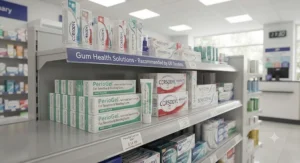
Practical Usage Guide: Getting the Most From Your Gum Gel
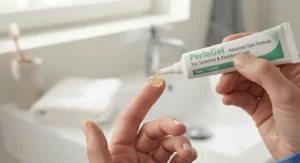
Applying a gum gel properly makes a genuine difference to results, and it’s the kind of detail that rarely appears on the product packaging itself. Start with clean hands and a freshly brushed mouth — most gels, including Gengigel Oral Gel and Apiprodent Gel, are designed to be massaged directly onto the affected gum tissue with a clean fingertip rather than smeared on top of toothpaste residue. Use a pea-sized amount and work it gently into the gumline in small circular motions rather than a single swipe, since even coverage matters more than quantity.
Timing matters just as much as technique. Chlorhexidine gels like Corsodyl 1% w/w Dental Gel and Curasept ADS 350 Gingival Gel work best applied after brushing, not before, because toothpaste ingredients can interfere with chlorhexidine’s activity — leave a good 30 minutes between fluoride toothpaste and a chlorhexidine gel if you can. Most gels also ask you to avoid eating or drinking for a set period afterwards (often 30 minutes to an hour) to let the active ingredients bond to the tissue rather than washing straight off. A common first-30-days mistake is giving up after three or four days because nothing dramatic has happened yet; realistically, most reviewers across every product on this list report noticeable change somewhere between day five and day ten of consistent twice-daily use, not immediately.
For maintenance, rotate: use a chlorhexidine gel for a focused week-long course during a flare, then switch to a gentler daily option like MySweetSmile Hyaluronic Gum Serum for ongoing upkeep once the active bleeding has settled. This mirrors how dental professionals typically prescribe chlorhexidine — as a short, intensive burst rather than a permanent fixture in your routine.
Real-World Scenarios: Which Gel Fits Your Situation
The new-to-flossing brusher. If you’ve just started flossing properly after years of skipping it and your gums bleed every single time, this is almost always temporary adjustment bleeding rather than established disease. A gentle option like Gengigel Oral Gel applied nightly, alongside continued (gentle) flossing, typically settles this within one to two weeks as your gums toughen up to the new routine.
The braces-and-retainer wearer. Orthodontic hardware creates constant low-level friction, which is a different problem to plaque-driven bleeding. Bonjela Adult Gel or Gengigel Oral Gel — both suited to mechanical irritation rather than infection — make more sense here than a strong chlorhexidine gel, since you’re managing rubbing and soreness as much as bleeding.
The busy professional who’s skipped dental check-ups. If it’s been over a year since a check-up and your gums bleed most mornings, that pattern suggests plaque and possibly early tartar build-up. A focused week on Corsodyl 1% w/w Dental Gel or Curasept ADS 350 Gingival Gel can calm the immediate inflammation, but book that overdue hygienist appointment — a gel manages symptoms, it doesn’t remove tartar.
How to Choose a Bleeding Gums Gel
- Identify what’s actually causing the bleeding. Plaque and gingivitis call for a chlorhexidine gel; mechanical irritation from braces or dentures suits a gentler hyaluronic acid gel instead.
- Check the active ingredient concentration. Higher chlorhexidine percentages, like Corsodyl’s 1%, act faster but come with a stronger taste and staining trade-off.
- Consider how long you’ll realistically use it. Antiseptic gels are built for short courses; hyaluronic acid gels are safer for daily long-term use.
- Factor in taste and texture preferences. If a harsh medicinal taste means you’ll stop using it after two days, a milder option like Curasept’s ADS formula is the more effective choice in practice.
- Match the age guidance to the user. Salicylate and higher-strength chlorhexidine products typically carry 16+ restrictions — always check the specific label.
- Set a realistic timeline. Expect meaningful change in five to ten days, not overnight, and book a dental check-up if bleeding hasn’t eased within two weeks.
- Decide between treatment and prevention. If you’re managing an active flare, prioritise antibacterial strength; if you’re preventing recurrence, prioritise a gentle daily formula.
Common Mistakes When Buying a Gum Gel
The most frequent error is buying based on brand recognition alone rather than matching the active ingredient to the actual cause of bleeding — reaching for a strong chlorhexidine gel when the real issue is a rubbing retainer wastes money and doesn’t solve the problem. A second common mistake is stopping treatment the moment bleeding reduces slightly, rather than completing the recommended course; gingivitis symptoms can improve within days while the underlying plaque issue hasn’t been fully addressed. Buyers also frequently overlook age restrictions — several gels on this list, including Bonjela’s salicylate formula, aren’t suitable for under-16s, which matters if you’re shopping for a teenager. Finally, treating a gel as a permanent substitute for a dental check-up is a mistake worth flagging clearly: persistent bleeding beyond two to three weeks warrants a professional look, regardless of how good the gel is.
Gum Gel vs Antiseptic Mouthwash
The gel-versus-mouthwash question comes up constantly, and the honest answer is that they solve slightly different problems. A gel, like Curasept ADS 350 Gingival Gel, delivers a concentrated dose of active ingredient to one specific spot, which is ideal when bleeding is localised — say, around one particular tooth or a denture-sore patch. A mouthwash spreads a much more diluted concentration across your entire mouth in one rinse, which suits generalised gum inflammation but is less effective for a single problem area because the active ingredient simply isn’t as concentrated at any one point.
There’s also a practical convenience difference: a gel can be applied discreetly with a fingertip in seconds, no sink or spitting required, which matters if you’re managing symptoms at work or while travelling. A mouthwash requires the full rinse-and-spit routine and generally needs to sit in the mouth for 30-60 seconds to be effective. For many people, the ideal setup actually combines both — a chlorhexidine mouthwash for general antibacterial coverage twice daily, with a targeted gel applied directly to any particularly sore or bleeding spot for extra localised support.
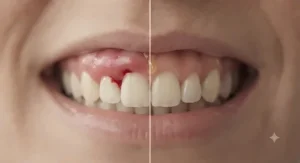
What to Expect: Real-World Performance
Specs and ingredient lists only tell part of the story, so here’s the practical, day-to-day version. With a chlorhexidine gel like Corsodyl 1% w/w Dental Gel, expect a noticeably improved taste in your mouth reduces within the first application, some initial mild tingling on inflamed tissue, and a visible reduction in redness and swelling by day four or five. The trade-off reviewers mention most is a lingering taste that can affect food and drink for an hour or so after application — annoying, but temporary.
With hyaluronic acid gels like Gengigel Oral Gel or MySweetSmile Hyaluronic Gum Serum, the experience is gentler and slower: no strong taste, no tingling, and results build gradually over one to two weeks rather than arriving as a dramatic before-and-after. Reviewers consistently describe these as feeling more like a “supportive habit” than a treatment, which matches their intended long-term use case. Botanical gels like Apiprodent Gel sit somewhere in between — a mild, pleasant flavour with a subtly numbing sensation from the clove oil, and a moderate pace of improvement that most reviewers describe as noticeable but not dramatic within the first week.
Safety, Regulations & Compliance Guide
All the gels featured here are classified as either cosmetic oral care products or licensed OTC medicines available without prescription in the UK, but that doesn’t mean “one size fits all.” Chlorhexidine-based products, including Corsodyl 1% w/w Dental Gel, Curasept ADS 350 Gingival Gel, and Wisdom Chlorhexidine Antibacterial Gum Gel, carry specific cautions: they’re generally intended for short-term, intensive courses rather than indefinite daily use, and manufacturers typically advise against use in anyone with a known chlorhexidine allergy. Salicylate-containing products like Bonjela Adult Gel carry an important age restriction — not suitable for under-16s — due to a theoretical link between salicylates and Reye’s syndrome in younger users, a safety point confirmed by Bonjela’s own product information summarised on Wikipedia.
More broadly, the British Society of Periodontology — the UK’s professional body for gum-disease specialists — emphasises that gingivitis is reversible with consistent oral hygiene and, where needed, professional treatment, but that untreated gum inflammation can progress to periodontitis, which involves irreversible bone loss around the teeth. That’s the real reason a gel should be viewed as symptom support rather than a cure-all: it calms the immediate inflammation, but only consistent brushing technique, interdental cleaning, and professional care address the underlying plaque and tartar. If bleeding is accompanied by loose teeth, persistent bad breath, visible gum recession, or pus, that’s beyond what any OTC gel can address, and a dental appointment becomes the priority rather than a product choice.
Long-Term Cost & Maintenance
Thinking beyond the first tube changes the value calculation considerably. A single tube of Corsodyl 1% w/w Dental Gel typically lasts a two-week intensive course at twice-daily use, meaning if you need it for occasional flare-ups a few times a year, one tube can realistically stretch across several months of intermittent use — bringing the effective cost-per-use down significantly compared with buying it fresh each time. Gengigel Oral Gel and MySweetSmile Hyaluronic Gum Serum, designed for daily ongoing use, get through product faster, so budget for repeat purchases roughly every one to two months depending on application frequency.
The real long-term cost consideration, though, isn’t the gel itself — it’s what happens if bleeding gums are ignored rather than managed. Left untreated, gingivitis can progress toward periodontitis, which typically requires far more expensive and invasive dental intervention: deep cleaning, root planing, and in advanced cases, surgical treatment. Viewed against that backdrop, a £10-£20 gel used consistently for a few weeks is a genuinely low-cost preventive investment, and pairing a short chlorhexidine course with a cheaper daily maintenance gel like Wisdom Chlorhexidine Antibacterial Gum Gel or a botanical option like Apiprodent Gel keeps ongoing costs modest while still protecting against recurrence.
Features That Actually Matter (And Those That Don’t)
What actually matters: the active ingredient and its concentration, because this determines whether you’re addressing bacteria, hydrating tissue, or numbing pain — three genuinely different jobs. Application format matters too; a gel that spreads easily and stays put on the gumline, rather than sliding straight off, will always outperform one that’s technically more “concentrated” on paper but physically hard to apply precisely. Taste and texture, while they sound like marketing fluff, genuinely matter because a gel you can’t tolerate using twice daily for a week won’t work regardless of its formulation — consistency beats potency.
What matters less than the packaging suggests: flavour variety (mint versus original rarely changes efficacy), tube size for occasional users (a smaller tube of a strong chlorhexidine gel goes further than you’d expect), and marketing claims around “clinical strength” that aren’t backed by a specific percentage or concentration on the ingredients list. If a product page emphasises brand heritage or packaging design more than it discloses the actual active ingredient and its strength, that’s a reasonable signal to look elsewhere or dig further into the specifics before buying.
Frequently Asked Questions
❓ How long does it take for gum gel to stop gums bleeding?
❓ Can I use a bleeding gums gel every day long-term?
❓ Is gum gel better than mouthwash for bleeding gums?
❓ Are natural gum gels like propolis actually effective for bleeding gums?
❓ When should I stop using gum gel and see a dentist instead?
Conclusion
If there’s one takeaway from this bleeding gums gel review, it’s that the “best” gel genuinely depends on what’s causing your gums to bleed in the first place — not which tube has the flashiest packaging. For an active, plaque-driven flare-up, Corsodyl 1% w/w Dental Gel delivers the fastest results, with Curasept ADS 350 Gingival Gel as a gentler-tasting alternative if staining and taste are a concern. For daily, ongoing gum support without the antiseptic trade-offs, Gengigel Oral Gel and MySweetSmile Hyaluronic Gum Serum are the standout picks. Budget shoppers wanting genuine chlorhexidine benefit without premium pricing should look at Wisdom Chlorhexidine Antibacterial Gum Gel, while Bonjela Adult Gel and Apiprodent Gel each earn their place for specific situations — combined ulcer soreness and natural-ingredient preference, respectively.
Whichever gel you choose, remember it’s one part of a bigger picture. Consistent brushing technique, interdental cleaning, and regular dental check-ups do the heavy lifting long-term; a good gum gel simply calms things down while that routine catches up. Bleeding gums that persist despite a fair trial of any of these products are worth mentioning to a dentist rather than working through the whole list hoping the next tube does the trick.
Recommended for You
- Toothpaste for Bleeding Gums: 7 Best UK Picks Tested 2026
- Best Gum Massager for Gingivitis: 7 Picks That Actually Help (2026)
- 7 Best Mouthwash for Gingivitis in 2026: Fight Gum Disease Fast
Disclaimer: This article contains affiliate links. As an Amazon Associate, I earn from qualifying purchases. If you purchase products through these links, we may earn a small commission at no additional cost to you. Prices mentioned are approximate and correct at the time of research — always check current pricing on amazon.co.uk before purchasing. This article is for informational purposes only and is not a substitute for professional dental advice; persistent bleeding gums should be assessed by a dentist.
✨ Found this helpful? Share it with your friends! 💬🤗
