

In This Article
Nobody tells you bad breath has crept up on them mid-conversation. You just watch someone’s eyes flick away, half a second too fast, and your stomach drops. If that’s why you’re here, first: you’re not broken, and you’re not alone — roughly a quarter of adults deal with this regularly, according to peer-reviewed research on halitosis. A throat spray for bad breath is a small pressurised bottle of an antibacterial or oxygenating solution, sprayed directly onto the tongue and back of the throat, designed to neutralise the sulphur compounds that cause oral odour rather than simply masking it with mint. That’s the textbook definition. What actually matters is whether it works when you’re two minutes from a job interview, a first date, or a packed train carriage.

This guide digs into seven real products sold on Amazon UK, weighs them against zinc lozenges (a genuinely different mechanism worth understanding), and explains the bacterial biology behind why your breath goes wrong in the first place — plus what tonsil stones have to do with any of it. According to the NHS, bad breath is usually something you can treat yourself once you understand the cause, and a throat spray is one tool in that kit, not a replacement for the basics. We’ll be honest throughout: no spray is magic, some are genuinely clever chemistry, and a couple are frankly overpriced mint water. Let’s get into it.
Quick Comparison Table
| Product | Best For | Format | Price Range |
|---|---|---|---|
| CB12 Spray | Everyday budget maintenance | 15ml pump spray | Under £6 |
| UltraDEX Fresh Breath Oral Spray | Sensitive mouths, alcohol-free users | 9ml pump spray | Under £5 |
| Medex Minty Fresh Breath Freshener Spray | Stocking up cheaply | 20ml (multipacks) | £5-£9 (pack) |
| Wisdom Fresh Breath Spray | Handbag/pocket backup, UK dental brand loyalists | 12.5ml (6-pack) | £6-£10 |
| Sonisk Breath Spray | Bigger bottle, less frequent top-ups | 30ml pump spray | £6-£9 |
| TheraBreath Fresh Breath Throat Spray | Serious oxygenating power, tonsil-stone-prone throats | 1oz (~30ml) | £12-£18 |
| ZDEER Electric Breath Spray | Gadget lovers, refillable micro-mist fans | Rechargeable device + cartridges | £15-£23 |
A quick scan tells you most of what you need: the cheap sprays cluster under a fiver and lean on zinc or chlorine-based chemistry, while the two premium entries — TheraBreath Fresh Breath Throat Spray and the ZDEER Electric Breath Spray — charge more because they’re solving a different problem (oxygenation and dosing precision, respectively) rather than just perfuming your mouth. If your bad breath is occasional and diet-related, the budget end genuinely does the job. If it’s a stubborn, daily issue, the extra spend on the premium pair tends to be where people finally notice a difference.
Just one click — help others make better buying decisions too!😊
Top 7 Throat Sprays for Bad Breath: Expert Analysis
Every product below is a real, currently listed item on Amazon UK. We’ve grouped budget, mid-range and premium options so you can match spend to how serious your bad breath actually is — because paying £20 for a gadget when a £4 spray would fix an occasional coffee-breath problem is money you don’t need to lose.
1. CB12 Spray — reduces the root cause, not just the smell
CB12 Spray built its reputation on a genuinely different promise from most breath fresheners: instead of purely masking odour with peppermint, it’s formulated with zinc acetate and chlorhexidine digluconate to actively neutralise the volatile sulphur compounds bacteria produce. Zinc ions bind to sulphur molecules and effectively “lock” them, which is chemistry, not marketing spin — it’s the same mechanism dentists reach for when recommending zinc-based products. At 15ml, the bottle is small enough for a coat pocket, and a couple of sprays cover both tongue and throat in seconds, which matters when you’ve got ten seconds before you need to speak to someone.
Based on the spec comparison, CB12 Spray‘s appeal is that it does one specific job — sulphur neutralisation — reliably and cheaply, without extra bells and whistles like probiotics or flavour cartridges. It suits anyone who wants a no-nonsense daily habit rather than a novelty gadget: commuters, retail and hospitality staff, or anyone who talks to people for a living. Reviewers consistently report that the mint flavour is noticeably less “medicinal” than some chlorhexidine products, though a handful mention the effect fading faster than the 12-hour claims some competing brands make.
Pros:
- ✅ Zinc acetate formula targets sulphur compounds directly
- ✅ Compact 15ml size fits any pocket or bag
- ✅ Backed by a long-established dental-brand reputation
Cons:
- ❌ Freshness can fade before advertised duration for some users
- ❌ Chlorhexidine taste takes getting used to for newcomers
At around £4-£6, this sits firmly in “keep three around the house and one at work” territory — the value verdict here is strong precisely because the chemistry does real work rather than just perfuming your breath for twenty minutes.

2. UltraDEX Fresh Breath Oral Spray — chlorine dioxide chemistry, alcohol-free
UltraDEX Fresh Breath Oral Spray takes a slightly different chemical route: its active ingredient is based on chlorine dioxide, which oxidises the volatile sulphur compounds responsible for oral malodour rather than masking them with fragrance. At 9ml it’s one of the smallest bottles on this list, but the concentration means you only need one or two sprays, and the brand’s claim of 12-hour freshness is one of the more frequently echoed points in aggregated customer feedback online.
What most buyers overlook about this model is that it’s alcohol-free and sugar-free, which matters more than it sounds — alcohol-based sprays can actually dry out the mouth further, and a drier mouth produces more odour-causing bacteria, not less. That makes UltraDEX Fresh Breath Oral Spray a smarter pick than it first appears for anyone whose bad breath is linked to dry mouth (xerostomia), a common contributor according to UK dental guidance. Reviewers consistently note the formula feels gentler on sensitive gums and gum-disease-prone mouths than stronger chlorhexidine products, though a small number find the bottle empties faster than they’d like given the low volume.
Pros:
- ✅ Alcohol-free formula avoids worsening dry mouth
- ✅ Chlorine dioxide chemistry oxidises odour compounds directly
- ✅ Vegan-friendly and widely available in multipacks
Cons:
- ❌ Small 9ml bottle needs frequent repurchasing
- ❌ Premium price per millilitre versus bulk competitors
Priced under £5 for a single bottle, the value verdict depends on how you buy it — grab the multipack listings and the cost per spray drops considerably, making this a genuinely smart daily-use option for dry-mouth sufferers.
3. Medex Minty Fresh Breath Freshener Mouth Spray — bulk-buy budget king
Medex Minty Fresh Breath Freshener Mouth Spray doesn’t try to reinvent breath care chemistry — it’s a straightforward antibacterial, sugar-free mint spray sold in multipacks of three, six, ten, twelve or eighteen 20ml bottles, which instantly makes it the cheapest per-unit option on this list by a wide margin. The compact “handbag size” bottles are explicitly designed to be stashed everywhere: desk drawer, gym bag, car glovebox, coat pocket, so you’re never more than an arm’s length from a top-up.
Here’s what to weigh: Medex Minty Fresh Breath Freshener Mouth Spray isn’t marketed with the same targeted sulphur-neutralising claims as CB12 Spray or UltraDEX Fresh Breath Oral Spray — it leans harder into antibacterial freshening than precision chemistry. That makes it best suited to people whose bad breath is occasional and diet-triggered (garlic lunch, morning coffee, a heavy night out) rather than those managing a chronic condition. Aggregated review sentiment is generally positive on value and portability, with the minty flavour rated as pleasant rather than medicinal, though some buyers note the scent is fairly faint compared with stronger competitors.
Pros:
- ✅ Exceptional value when bought in larger multipacks
- ✅ Genuinely pocket-sized for constant on-the-go access
- ✅ Sugar-free antibacterial formula suits daily casual use
Cons:
- ❌ Less targeted at chronic halitosis than specialist formulas
- ❌ Scent strength rated milder by some reviewers
With multipacks typically in the £5-£9 range for three-plus bottles, this is the one to buy if you just want fresh breath insurance scattered across every bag you own, without overthinking it.
4. Wisdom Fresh Breath Spray — trusted UK dental-brand multipack
Wisdom Fresh Breath Spray comes from a brand most Britons have unknowingly used already — Wisdom has supplied toothbrushes and oral care products to UK dental practices and pharmacies for decades, and that heritage carries into this six-pack of 12.5ml sprays. The multipack format (six bottles per box) means you can genuinely distribute one to every bag, coat and drawer in your life without rationing.
Based on the spec comparison, what sets Wisdom Fresh Breath Spray apart isn’t exotic chemistry — it’s consistency and trust built on a brand dentists already stock. That makes it a sensible default for anyone who wants a reliable, no-surprises freshener without researching active ingredients in depth, particularly families buying for multiple people at once. A common theme in aggregated customer feedback is appreciation for the compact bottle design and reliable spray mechanism (no clogging, no leaking in bags), though a portion of reviewers say the freshness window feels shorter than premium alternatives like TheraBreath Fresh Breath Throat Spray.
Pros:
- ✅ Recognised UK dental heritage brand
- ✅ Six-pack format ideal for whole-household use
- ✅ Compact, leak-resistant bottle design
Cons:
- ❌ Freshness duration shorter than premium oxygenating sprays
- ❌ Formula less targeted at sulphur-producing bacteria specifically
At roughly £6-£10 for the six-pack, cost-per-bottle lands competitively with Medex, making this a strong pick if brand trust matters more to you than niche active ingredients.
5. Sonisk Breath Spray — bigger bottle, dentist-recommended positioning
Sonisk Breath Spray breaks from the pocket-size pack with a 30ml bottle — double or triple the volume of most entries here — positioned explicitly around “recommended by dentists” messaging and long-lasting freshness for travel and daily social use. The larger reservoir means fewer repurchases and less anxiety about running dry mid-week, which matters if you’re the type to forget to restock small bottles.
What the spec sheet won’t tell you, but reviewers note, is that the extra volume doesn’t necessarily mean a stronger dose per spray — it’s simply more sprays before you need a refill. Honest analysis here: Sonisk Breath Spray suits people who use breath spray habitually throughout the day (several times, every day) rather than occasional users, since the value proposition is about convenience and cost-per-spray over time rather than a more potent formula. Aggregated feedback trends positive on the mint flavour and travel-friendly cap design, with occasional comments about the pump mechanism needing a firmer press than expected.
Pros:
- ✅ Large 30ml bottle reduces repurchase frequency
- ✅ Positioned and marketed around dentist recommendation
- ✅ Travel-friendly cap and pump design
Cons:
- ❌ Pump action reportedly firmer than some competitors
- ❌ Bulkier bottle less pocket-friendly than 9-20ml options
Sitting around £6-£9, Sonisk Breath Spray offers a solid cost-per-use figure for heavy daily users who’d otherwise burn through three or four small bottles a month.
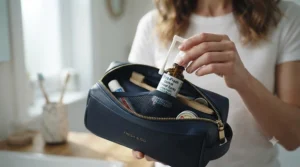
6. TheraBreath Fresh Breath Throat Spray — oxygenating formula for stubborn cases
TheraBreath Fresh Breath Throat Spray with green tea is where this list shifts from “fresheners” to genuine odour-elimination chemistry. TheraBreath’s oxygenating approach, developed originally by a US dentist specialising in halitosis, works by introducing oxygen-releasing compounds that target the anaerobic bacteria responsible for volatile sulphur compounds — anaerobic meaning they thrive in low-oxygen environments like the back of the tongue and tonsil crypts, so flooding that environment with oxygen genuinely disrupts them, rather than just perfuming the result.
On paper this means TheraBreath Fresh Breath Throat Spray should outperform simple mint-and-zinc sprays for people whose bad breath originates deep in the throat rather than the front of the mouth — including, notably, people prone to tonsil stones, where trapped bacteria sit in pockets ordinary brushing can’t reach. It’s alcohol-free, which avoids the dry-mouth rebound effect, and the green tea flavour is markedly less “clinical” than some oxygenating competitors. Reviewers consistently report it as one of the more effective options for chronic or throat-originating halitosis, though as a US import sold through UK third-party Amazon sellers, pricing runs noticeably higher and stock can be less consistent than domestic UK brands.
Pros:
- ✅ Oxygenating formula targets anaerobic throat bacteria directly
- ✅ Alcohol-free, avoiding dry-mouth rebound effects
- ✅ Backed by dentist-developed halitosis-specific research
Cons:
- ❌ Import pricing sits well above UK domestic sprays
- ❌ UK stock availability less consistent than local brands
At around £12-£18, this is a genuine investment rather than an impulse buy, but for chronic sufferers — particularly those with a tonsil stone history — it’s arguably the most scientifically targeted option on this list.
7. ZDEER Electric Breath Spray — rechargeable micro-mist with probiotic cartridges
ZDEER Electric Breath Spray is the outlier here: a rechargeable electronic device rather than a simple pump bottle, delivering a fine micro-mist with interchangeable, refillable flavour cartridges and a probiotic-leaning formula. The pitch is precision dosing and a more even distribution across the mouth than a manual pump spray can achieve, plus the novelty (and discretion) of a device that looks more like a small cosmetics gadget than a medicine bottle.
Here’s what to weigh: ZDEER Electric Breath Spray‘s probiotic angle is genuinely interesting territory — research summarised in peer-reviewed halitosis literature increasingly explores probiotics as a way of crowding out sulphur-producing bacteria with more benign oral flora, rather than simply killing everything indiscriminately. That said, this is an emerging area of oral care science, not an established gold-standard treatment, so treat probiotic claims as promising rather than proven. It suits gadget-inclined buyers, frequent travellers who like refillable systems over disposable bottles, and anyone self-conscious about pulling out a medicinal-looking spray bottle in public. Aggregated feedback highlights the mist quality and rechargeable convenience as standout points, with recurring comments that replacement cartridges add ongoing cost most reviewers don’t anticipate at purchase.
Pros:
- ✅ Fine micro-mist gives more even oral coverage
- ✅ Rechargeable design cuts long-term plastic waste
- ✅ Discreet, gadget-like design for public use
Cons:
- ❌ Replacement cartridges add recurring cost over time
- ❌ Probiotic oral care claims remain an emerging field
Priced around £15-£23 for the device plus starter cartridges, the value verdict hinges on how much you value the format itself — as pure odour-fighting chemistry, it’s not obviously stronger than TheraBreath Fresh Breath Throat Spray, but as an experience, it’s the most distinctive product here.
Throat Spray vs Mouthwash for Halitosis: Which Actually Works Better?
This is one of the most searched comparisons in oral care, and the honest answer is: they solve overlapping but different parts of the problem. Mouthwash typically rinses the entire oral cavity for 20-30 seconds, reaching teeth, gums and the front two-thirds of the tongue in volume. A throat spray for bad breath, by contrast, delivers a concentrated dose in a couple of seconds, aimed specifically at the tongue’s back third and the throat itself — precisely the zone where sulphur-producing bacteria concentrate most heavily, and precisely the zone a 20-second mouthwash swish rarely reaches properly without gagging.
| Factor | Throat Spray | Mouthwash |
|---|---|---|
| Speed of use | 2-5 seconds | 20-30 seconds |
| Reach (back of throat/tonsils) | Strong | Weak |
| Reach (teeth/gums) | Weak | Strong |
| Discretion in public | High | Low |
| Best For | Instant fixes, throat-origin odour | Full oral hygiene routine |
Reading the comparison above, the sensible conclusion isn’t “pick one” — it’s that a throat spray for bad breath is a fast-response tool for the moment you need fresh breath now, while mouthwash remains the broader hygiene habit for teeth and gum health that a spray was never designed to replace. If your bad breath consistently originates from the throat or tonsils rather than plaque along the gumline, a spray like TheraBreath Fresh Breath Throat Spray will likely outperform mouthwash alone, but dropping mouthwash and floss entirely in favour of spray-only habits is a mistake dentists consistently warn against.

Zinc Lozenges for Bad Breath: An Honest Review
Zinc lozenges work on a genuinely different delivery mechanism from sprays: instead of a burst dose, they dissolve slowly over ten to fifteen minutes, bathing the mouth and throat continuously in zinc ions during that window. Products like TheraBreath’s Dry Mouth Zinc Lozenges (sold in Tart Berry and Mandarin Mint flavours on Amazon UK) pair zinc with xylitol, which does double duty — xylitol can’t be fermented by odour-causing bacteria the way sugar can, and it stimulates saliva flow, tackling dry mouth at the same time as sulphur compounds.
Based on the spec comparison, zinc lozenges for bad breath tend to suit different moments than sprays do: a meeting, a long flight, or a car journey where you can let something dissolve slowly rather than needing an instant two-second fix. Aggregated customer sentiment on zinc lozenges review pages tends to be strongly positive on duration of effect, with the tart berry and mint flavours both rated well, though a recurring complaint is that the lozenges can feel slow when you genuinely need instant results — which is exactly where a throat spray for bad breath earns its keep instead.
| Factor | Zinc Lozenges | Throat Spray |
|---|---|---|
| Onset time | 5-10 minutes | Instant |
| Duration | Longer, sustained | Shorter, needs reapplication |
| Discretion | Requires visible sucking | Two-second application |
| Best For | Long journeys, meetings, sustained relief | Immediate pre-conversation freshness |
Reading this table, the honest value verdict is that zinc lozenges for bad breath and throat sprays aren’t competitors so much as complementary tools — pack both, and use whichever suits the next ten minutes of your day.
✨ Don’t Miss These Exclusive Deals!
🔍 Take your breath care routine to the next level with these carefully selected products. Click on any highlighted item to check current pricing and availability. These tools will help you tackle bad breath with real confidence, wherever your day takes you!
What Are Sulphur-Producing Bacteria (and Why Your Spray Targets Them)?
Sulphur-producing bacteria are the actual root cause behind most cases of bad breath, and understanding them explains why some products work far better than others. These are anaerobic bacteria — meaning they thrive without oxygen — that colonise the back of the tongue, gum pockets and tonsil crypts, feeding on trapped proteins from food debris and dead cells. As they metabolise these proteins, they release volatile sulphur compounds (VSCs), chiefly hydrogen sulphide and methyl mercaptan, which is where that distinctive “rotten egg” or “off” smell comes from.
This is precisely why oxygenating sprays like TheraBreath Fresh Breath Throat Spray and zinc-based formulas like CB12 Spray are built around specific chemistry rather than pure fragrance: introducing oxygen disrupts the anaerobic environment these bacteria need to survive, while zinc ions bind directly to the sulphur compounds themselves. A comprehensive review of halitosis treatment approaches notes that mouthwashes and mints that only mask odour with fragrance do nothing to address this bacterial population — they simply add a competing smell on top for a short window, which is why their effect fades so much faster than targeted zinc or oxygenating formulas.
Tonsil Stones and Bad Breath: The Hidden Culprit
Tonsil stones — medically called tonsilloliths — are one of the most overlooked causes of persistent bad breath, and they explain why some people brush and floss diligently yet still struggle. They form when food debris, dead cells and bacteria become trapped in the small pockets (crypts) on the surface of your tonsils, gradually hardening into small white or yellowish deposits. According to UK clinical guidance on tonsilloliths, they’re estimated to affect up to around 10% of the population at some point, and while they’re rarely serious, larger stones are a well-documented cause of persistent oral malodour.
Here’s the problem for oral hygiene as a whole: tonsil crypts sit right at the back of the throat, well beyond where a toothbrush or standard mouthwash swish can reach. That’s exactly the zone a throat spray for bad breath is engineered to hit, and it’s precisely why sufferers of recurring tonsil stones often report that dedicated throat sprays — particularly oxygenating formulas like TheraBreath Fresh Breath Throat Spray — make a noticeably bigger difference than switching toothpaste or adding a second daily mouthwash rinse ever did. If you can see visible white lumps at the back of your throat, or bad breath persists despite trying several products from this list, that’s a reasonable point to check in with a dentist or GP rather than continuing to self-treat indefinitely.
On-the-Go Halitosis Remedies: A Practical Usage Guide
Getting genuine value from any throat spray for bad breath comes down to habits, not just the bottle you buy. Here’s how to build on-the-go halitosis remedies into a routine that actually holds up under real-life pressure — meetings, dates, long commutes — rather than just sitting in a drawer unused.
Setup and first-use tips: Shake the bottle before first use (settling is common in zinc-based formulas), and do a test spray away from your face to check the nozzle isn’t clogged from transit. Aim two sprays at the back of the tongue and throat, not the front of the mouth — this is the single most common mistake people make, spraying where it tastes strongest rather than where the bacteria actually live.
Building the habit: Keep a spray in every bag, coat and desk drawer you regularly use — this is where budget multipacks like Medex Minty Fresh Breath Freshener Mouth Spray or Wisdom Fresh Breath Spray genuinely earn their keep, since six cheap bottles scattered strategically beat one expensive bottle left at home. Pair spray use with hydration; a dry mouth accelerates bacterial growth, so a bottle of water alongside your spray compounds the benefit.
Common mistakes in the first 30 days: Over-relying on spray alone while skipping brushing and tongue-cleaning is the biggest one — sprays manage symptoms fast but don’t replace mechanical plaque removal. Spraying immediately before eating (rather than after) is another; food residue simply dilutes and outlasts the treatment. Finally, expecting a single spray brand to fix chronic, throat-originating bad breath — that’s when it’s worth layering in zinc lozenges for bad breath or the oxygenating chemistry of TheraBreath Fresh Breath Throat Spray rather than switching between mint-only budget sprays hoping for a different result.
Real-World Scenarios: Who Actually Needs a Throat Spray for Bad Breath?
The Commuter (Sarah, 34, sales role, packed daily meetings): Spends most of her day talking face-to-face with clients and has almost no time for a full oral hygiene break between calls. For her, speed and discretion are everything — a pocket spray like CB12 Spray or UltraDEX Fresh Breath Oral Spray, used two or three times daily between meetings, solves the problem without anyone noticing she’s using anything at all.
The Chronic Sufferer (Marcus, 41, recurring tonsil stones): Has dealt with intermittent tonsil stones for years and finds standard mint sprays wear off within the hour. For him, the case for TheraBreath Fresh Breath Throat Spray‘s oxygenating chemistry is strong — it’s specifically engineered to disrupt the anaerobic bacteria sitting deep in tonsil crypts, addressing his actual root cause rather than just perfuming the surface.
The Traveller (Priya, 27, frequent long-haul flights): Cabin air dries out the mouth fast, and dry mouth accelerates bad breath. A combination approach works best here: zinc lozenges for bad breath dissolving slowly during a long flight, backed by a compact device like ZDEER Electric Breath Spray for a discreet top-up on arrival without pulling out an obviously medicinal bottle in the arrivals lounge.

Problem → Solution: Common Bad Breath Triggers Solved
Problem: Morning breath that lingers past your commute. This is largely saliva-flow related — your mouth produces far less saliva overnight, letting bacteria multiply unchecked. Solution: hydrate immediately on waking and use a targeted spray like CB12 Spray straight after brushing, rather than relying on toothpaste flavour alone to carry you through the morning.
Problem: Garlic or onion breath that mouthwash won’t shift. These odours are partly systemic — the compounds enter your bloodstream and are exhaled via the lungs, not just left in your mouth, which is why rinsing alone often fails. Solution: time is genuinely part of the fix, but an oxygenating spray such as TheraBreath Fresh Breath Throat Spray reduces the surface bacterial contribution while your body processes the rest.
Problem: Bad breath that returns within the hour, every time. This usually points to dry mouth or a deeper bacterial reservoir than surface freshening addresses. Solution: switch to an alcohol-free formula like UltraDEX Fresh Breath Oral Spray to avoid compounding dryness, and consider layering zinc lozenges for bad breath for sustained coverage between sprays.
Problem: Self-consciousness about spraying in public. Solution: this is precisely the gap ZDEER Electric Breath Spray was designed to close — its compact, gadget-like form factor draws far less attention than a visibly medicinal pump bottle.
Problem: Suspected tonsil stones causing recurring odour. Solution: gentle saltwater gargling can dislodge smaller stones at home, but persistent cases benefit most from an oxygenating throat spray reaching the crypts directly; if stones are visible and painful, a dental or GP check is the sensible next step rather than continued self-treatment.
How to Choose a Throat Spray for Bad Breath
Picking between seven genuinely different products gets easier with a clear framework. Here’s how to choose a throat spray for bad breath that actually matches your situation, not just the cheapest bottle on the shelf:
- Identify whether your bad breath is occasional or chronic. Occasional, diet-triggered odour responds well to budget options like Medex Minty Fresh Breath Freshener Mouth Spray; daily or persistent cases justify the extra spend on oxygenating formulas.
- Check for alcohol content if you have dry mouth. Alcohol-based sprays can worsen dryness over time — UltraDEX Fresh Breath Oral Spray and TheraBreath Fresh Breath Throat Spray are both alcohol-free.
- Match bottle size to your lifestyle. Frequent top-uppers benefit from larger bottles like Sonisk Breath Spray‘s 30ml; multi-location stashers do better with multipacks like Wisdom Fresh Breath Spray.
- Consider whether tonsil stones are a factor. If you have a history of them, prioritise oxygenating chemistry that reaches tonsil crypts, not just mint-forward formulas.
- Weigh device convenience against ongoing cost. ZDEER Electric Breath Spray offers a genuinely different experience, but factor in replacement cartridge costs before committing.
- Decide if you need a companion product. Zinc lozenges for bad breath complement rather than replace a spray — consider stocking both for different situations.
- Read aggregated review sentiment, not star ratings alone. Look specifically for comments on duration of freshness and taste, since these vary more between real users than headline ratings suggest.
Common Mistakes When Buying Throat Spray for Bad Breath
The single biggest mistake is buying purely on price without checking the active ingredient — a £3 bottle that’s pure mint fragrance with no zinc, chlorine dioxide or oxygenating agent will mask odour for minutes, not hours, and won’t touch the underlying sulphur-producing bacteria at all. Reviewers consistently note disappointment when a budget spray “smells nice for five minutes then nothing,” which almost always traces back to fragrance-only formulas.
The second common error is assuming bigger brands automatically mean stronger formulas. Sonisk Breath Spray‘s larger 30ml bottle, for instance, means more sprays available, not necessarily a higher-strength dose per spray — bottle size and formula strength are separate variables buyers frequently conflate. The third mistake is ignoring alcohol content entirely; for anyone whose bad breath is dry-mouth related, an alcohol-based spray can quietly work against the very problem it’s meant to solve, cancelling out short-term freshness with longer-term dryness.
Long-Term Cost & Maintenance: Is a Throat Spray Worth It?
Run the numbers and a throat spray for bad breath is genuinely one of the cheapest recurring health habits available. A budget multipack like Medex Minty Fresh Breath Freshener Mouth Spray works out to pence per use across its lifespan, while even the premium TheraBreath Fresh Breath Throat Spray, at roughly 100-150 sprays per bottle, lands well under 20p per application — cheaper than a coffee, and considerably cheaper than the social cost of unchecked bad breath in professional or personal settings.
The real long-term cost consideration is the ZDEER Electric Breath Spray‘s cartridge system: the device itself is a one-off cost, but ongoing cartridge replacement adds a recurring expense most buyers underestimate at checkout, similar to how printer ink costs more over time than the printer itself. For anyone budgeting seriously, a rotation of two or three budget sprays (CB12 Spray, UltraDEX Fresh Breath Oral Spray, Wisdom Fresh Breath Spray) covers most daily needs at minimal ongoing cost, reserving premium oxygenating formulas for flare-ups or chronic periods rather than constant daily use.
Safety, Ingredients & Regulations Guide
Breath sprays sold in the UK fall under cosmetic and oral hygiene product regulations rather than medicines regulation, meaning manufacturers can’t make medical claims (like “cures halitosis”) without clinical substantiation, but can make cosmetic freshness claims. Zinc acetate, chlorhexidine digluconate and chlorine dioxide — the active ingredients across most products on this list — are all well-established, widely permitted ingredients in UK and EU oral care formulations, but a few practical safety notes are worth flagging.
Chlorhexidine-based products, found in formulas like CB12 Spray, can cause temporary tooth staining or altered taste with very heavy, prolonged daily use — this is a well-documented, reversible effect rather than a serious risk, but it’s worth knowing before you triple your usual dose. Alcohol-based sprays aren’t recommended for children, and anyone pregnant, breastfeeding, or managing an existing medical condition should check product labelling or consult a pharmacist before regular use, as with any oral care product. Persistent bad breath that doesn’t respond to any of these approaches within a few weeks is, per NHS guidance, a reasonable trigger to book a dentist appointment rather than continuing to rotate products indefinitely.

Frequently Asked Questions
❓ What is the best throat spray for bad breath?
❓ Does throat spray for bad breath actually work?
❓ Is a throat spray better than mouthwash for bad breath?
❓ Can zinc lozenges get rid of bad breath from tonsil stones?
❓ How often can I use a throat spray for bad breath?
Conclusion
Bad breath is one of those problems that feels disproportionately embarrassing given how genuinely common and fixable it is. The honest takeaway from all seven products here is that there’s no single miracle bottle — a throat spray for bad breath is one part of a bigger picture that includes brushing, tongue cleaning, hydration and, for persistent cases, an honest conversation with a dentist about whether tonsil stones or another underlying cause are in play.
If you want the simplest daily habit, CB12 Spray or UltraDEX Fresh Breath Oral Spray cover the basics affordably and effectively. If you’re managing something more stubborn — recurring tonsil stones, chronic dry mouth, or bad breath that just won’t quit — the oxygenating chemistry in TheraBreath Fresh Breath Throat Spray is worth the higher price tag, and pairing it with zinc lozenges for bad breath during long meetings or journeys covers the gaps a spray alone can’t. Whichever you choose, the goal isn’t perfection — it’s confidence the next time someone leans in to talk to you.
Recommended for You
- Alcohol-Free Halitosis Mouthwash: 7 Best UK Picks (2026)
- Tongue Scraper for Bad Breath: 7 Best Picks for 2026 (Fresher Fast)
- Gum Massage Tool for Post-Dental-Surgery Care: 7 Gentle Picks (2026)
Disclaimer: This article contains affiliate links. As an Amazon Associate, I earn from qualifying purchases. If you purchase products through these links, we may earn a small commission at no additional cost to you.
✨ Found this helpful? Share it with your friends! 💬🤗
