
In This Article
Here’s an uncomfortable truth nobody puts on a toothpaste advert: you are, statistically, quite likely to have breath that could clear a lift. Around a quarter of the UK population lives with some form of chronic bad breath, and most of us brush our teeth twice a day without ever quite solving it. The usual reflex is to reach for whatever mouthwash is on the supermarket shelf, glug it, wince at the burn, and assume the sting means it’s working. It doesn’t. That burn is alcohol drying out your mouth, and a dry mouth is precisely the environment odour-causing bacteria love best.

This is where an alcohol-free halitosis mouthwash earns its keep. Rather than masking the problem with a blast of menthol and ethanol, the better formulas in this category target the actual biology behind bad breath — the volatile sulphur compounds thrown off by bacteria feeding on your tongue, gumline and any food debris you missed. Get the mechanism right, and you get results that last past 10am.
What is alcohol-free halitosis mouthwash? It’s an oral rinse formulated without ethanol that uses ingredients such as cetylpyridinium chloride, zinc compounds, or stabilised chlorine dioxide to neutralise odour-causing bacteria and sulphur compounds, rather than simply masking smell with alcohol-based fragrance.
Below, we’ve dug into seven real, currently available options on amazon.co.uk — from budget supermarket-adjacent staples to clinically positioned halitosis specialists — and paired every product with honest commentary, not just a spec sheet. As NHS-endorsed guidance from patient.info points out, most halitosis originates in the mouth itself, which means the right rinse genuinely can move the needle. We’ll also unpack gum disease, oral bacteria, and what “dentist-recommended” actually means before a brand slaps it on a bottle.
Quick Comparison Table
| Product | Size | Price Range | Key Active | Best For | Reviewer Sentiment |
|---|---|---|---|---|---|
| Corsodyl Daily Gum Care | 500ml | £3.50-£5.00 | CPC 0.05% | Gum disease prevention | Widely praised for gum health |
| Listerine Total Care Zero | 500ml-1L | £3.30-£6.00 | Essential oils + fluoride | All-round daily protection | Reliable, some note mild aftertaste |
| Colgate Plax Cool Mint Alcohol Free | 500ml-1L | £2.60-£4.50 | CPC | Tight budgets, families | Solid value, less halitosis-specific |
| TheraBreath Fresh Breath Oral Rinse | 473ml | £10.00-£15.00 | OXYD-8 chlorine dioxide | Chronic, stubborn halitosis | Strong track record on persistent odour |
| UltraDEX Daily Oral Rinse | 500ml | £6.00-£9.00 | Chlorine dioxide + zinc | Fast, professional-style freshening | Praised for immediate effect |
| The Breath Co Fresh Breath Mouthwash | 500ml | £5.00-£10.00 | Zinc complex | 12-hour freshness claims | Generally positive, taste is divisive |
| Sensodyne Pronamel Daily Protection | 500ml | £4.50-£7.00 | Sodium fluoride | Sensitive teeth plus fresh breath | Trusted for gentleness, not a halitosis specialist |
Looking at the spread, Corsodyl Daily Gum Care and Colgate Plax Cool Mint Alcohol Free sit at the accessible end and suit anyone whose main goal is everyday plaque control rather than tackling entrenched halitosis. TheraBreath Fresh Breath Oral Rinse and UltraDEX Daily Oral Rinse cost more but are formulated specifically around volatile sulphur compounds, which matters if you’ve already tried the basics and are still getting side-eyed on the Tube. Sensodyne Pronamel Daily Protection is the odd one out here — it’s excellent for enamel and sensitivity, but it’s a supporting player rather than a dedicated halitosis mouthwash review winner.
💬 Just one click — help others make better buying decisions too!😊
Top 7 Alcohol-Free Halitosis Mouthwash Picks: Expert Analysis
Right, let’s get into the actual halitosis mouthwash review portion of this piece — the bit you scrolled down for. We’ve picked products spanning budget to premium, covering different underlying causes of bad breath, because “just buy the best one” is bad advice when your bad breath and your colleague’s dry-mouth-related bad breath are entirely different problems wearing the same disguise.
1. Corsodyl Daily Gum Care — best for gum disease prevention on a budget
Corsodyl Daily Gum Care built its reputation on the clinical strength of the wider Corsodyl range, and the daily alcohol-free version brings a gentler cetylpyridinium chloride (CPC) formula suited to everyday use rather than short-term treatment. CPC works by disrupting the bacterial cell membrane, which is a fancier way of saying it stops odour-producing bugs multiplying on your gumline before they get comfortable.
In practice, that 0.05% CPC concentration is enough for daily maintenance but noticeably milder than the chlorhexidine found in Corsodyl’s short-course gum treatment products — a distinction worth knowing before you buy the wrong bottle. Because gum disease is one of the most common hidden drivers of persistent halitosis, this is arguably the smartest first purchase if bleeding gums or that metallic morning taste sound familiar. It’s less useful if your breath issue is purely dry-mouth or tongue-coating related, where a zinc or chlorine dioxide formula does more work.
Reviewers consistently flag improved gum comfort within a couple of weeks of twice-daily use, with the alcohol-free formula specifically praised for not stinging sensitive or inflamed gums the way older Corsodyl products historically did. A recurring theme in feedback is that people who switch from an alcohol-based mouthwash notice less dryness almost immediately.
Pros:
- ✅ CPC formula targets bacteria without alcohol’s drying effect
- ✅ Gentle enough for daily long-term use, unlike short-course rinses
- ✅ Trusted, long-established UK gum-health brand
Cons:
- ❌ Milder than chlorhexidine, so less effective on active gum disease
- ❌ Not formulated specifically for chronic halitosis on its own
Priced around £3.50-£5.00 for 500ml, Corsodyl Daily Gum Care offers strong value if gum health is your priority, though chronic bad-breath sufferers may want to pair it with a more halitosis-targeted rinse.

2. Listerine Total Care Zero — best all-round daily protection
Listerine Total Care Zero (sometimes labelled Milder Taste Alcohol-Free) takes Listerine’s classic four-essential-oil blend — thymol, eucalyptol, menthol and methyl salicylate — and drops the ethanol carrier that made the original formula sting like a wasp with a grudge. The oils still do the antibacterial heavy lifting; you just don’t pay for it with a scorched palate.
With roughly 220ppm fluoride alongside the essential oils, this is positioned as a genuine 10-in-1 product: plaque control, gum protection, enamel strengthening and breath freshening in one bottle. What the marketing won’t spell out is that essential-oil formulas tend to work more slowly and gently than CPC or chlorine dioxide rinses, so if your halitosis is severe, this reads more as maintenance than cure. Based on the spec comparison with the rest of this list, it’s the most “does everything reasonably well” option rather than a specialist.
Aggregated feedback is broadly positive, with reviewers frequently citing the noticeably reduced burn compared with original Listerine as the standout change, alongside continued confidence in the brand’s plaque-fighting reputation. A smaller but consistent group of reviewers mention the aftertaste lingers longer than they’d like.
Pros:
- ✅ Proven essential-oil antibacterial formula, alcohol-free
- ✅ Fluoride included for cavity protection alongside fresh breath
- ✅ Widely available and one of the most recognised UK brands
Cons:
- ❌ Gentler action means slower results for severe halitosis
- ❌ Aftertaste divides opinion among reviewers
At around £3.30-£6.00 depending on size, Listerine Total Care Zero remains a dependable everyday choice, particularly for households wanting one bottle that covers most bases.
3. Colgate Plax Cool Mint Alcohol Free — best budget pick for families
Colgate Plax Cool Mint Alcohol Free is the mouthwash equivalent of a reliable hatchback — nothing flashy, does the job, costs sensible money. It uses a CPC-based antibacterial system similar in principle to Corsodyl’s daily formula, aimed at everyday plaque and bad-breath maintenance rather than treating an existing condition.
The 24-hour plaque protection claim relates to the CPC’s ongoing antibacterial action rather than a single rinse lasting a full day — worth knowing so you don’t skip your evening routine assuming you’re covered. For families juggling several mouths (sorry) to look after, the combination of gentle taste, low price per 100ml, and alcohol-free safety for teenagers makes this a sensible household staple rather than a specialist halitosis mouthwash.
Reviewers commonly describe it as a solid, unremarkable performer — which, in mouthwash terms, is a compliment. The most repeated praise centres on the mild mint flavour being tolerable for children and sensitive mouths, while a handful of reviews note it doesn’t feel as “clinical” or intensive as pricier options.
Pros:
- ✅ Genuinely budget-friendly at under £1 per 100ml in many sizes
- ✅ Mild, family-friendly mint flavour suitable for teenagers
- ✅ Alcohol-free CPC formula for everyday plaque control
Cons:
- ❌ Not formulated to address chronic or severe halitosis
- ❌ Fewer standout ingredients compared with specialist rinses
At roughly £2.60-£4.50, Colgate Plax Cool Mint Alcohol Free is the entry point for this whole category — an easy switch from an alcohol-based rinse without spending specialist-product money.
4. TheraBreath Fresh Breath Oral Rinse — best for chronic, stubborn halitosis
TheraBreath Fresh Breath Oral Rinse approaches things differently from everything else on this list. Instead of an antibacterial or essential-oil strategy, it leans on OXYD-8, a stabilised chlorine dioxide compound, which chemically oxidises the volatile sulphur compounds (VSCs) that are the actual molecular cause of that rotten-egg undertone in bad breath — rather than just killing bacteria indiscriminately and hoping the smell follows.
That distinction matters clinically. Dentist-formulated and developed originally by Dr Harold Katz, the rinse is dye-free, pH-balanced and contains xylitol rather than sugar, which is gentler on the oral microbiome than aggressive antibacterial alternatives. What most buyers overlook about this model is that pH-balancing genuinely matters for halitosis specifically — an overly acidic or alkaline mouth environment can itself worsen odour, something a purely antibacterial rinse doesn’t address.
This is the product with the largest and most consistently positive review base of anything in this halitosis mouthwash review roundup, imported and sold on Amazon in sizeable volumes. The pattern in feedback is strikingly consistent: people who describe having tried “everything else” report the most noticeable improvement here, particularly for morning breath and dry-mouth-related odour. A minority find the icy mint flavour intense on first use.
Pros:
- ✅ Chlorine dioxide specifically targets sulphur-compound odour
- ✅ Dye-free, sulfate-free, gentle pH-balanced formula
- ✅ Large, consistently positive review base for chronic halitosis
Cons:
- ❌ Pricier than UK supermarket alternatives, partly import cost
- ❌ Intense mint flavour isn’t for everyone
Expect to pay around £10.00-£15.00 for a 473ml bottle — noticeably more than the supermarket names here, but for genuinely persistent halitosis, it’s the pick most repeatedly recommended across dentist roundups.
5. UltraDEX Daily Oral Rinse — best for fast, professional-style freshening
UltraDEX Daily Oral Rinse was originally developed with input from breath-clinic professionals, and it shows in the formulation: a chlorine dioxide and zinc combination designed to neutralise VSCs quickly rather than gradually improve things over weeks. Zinc ions bind directly to sulphur compounds, essentially locking the smell down before it escapes.
Here’s what the spec sheet won’t tell you outright — the “instant” positioning isn’t just marketing fluff. Chlorine dioxide and zinc genuinely do act faster on existing odour than essential-oil or CPC systems, which work more by preventing future bacterial build-up. That makes this a strong pre-meeting, pre-date, pre-anything-important rinse, though it’s arguably overkill as a purely preventative twice-a-day product if your baseline breath isn’t a major concern.
Reviewers frequently describe a noticeable, almost immediate freshness that outlasts standard mint mouthwashes, with several long-term users mentioning it as part of a wider halitosis-management routine recommended by a dentist or hygienist. Some reviewers note the taste is more clinical and less “minty-fresh” than mainstream brands, which some appreciate as a sign it’s doing something and others find off-putting.
Pros:
- ✅ Chlorine dioxide plus zinc targets odour directly and fast
- ✅ Developed with breath-clinic and professional input
- ✅ Strong reputation among reviewers managing chronic halitosis
Cons:
- ❌ Premium price point relative to mainstream brands
- ❌ Clinical taste profile isn’t universally liked
At around £6.00-£9.00 for 500ml, UltraDEX Daily Oral Rinse sits in the mid-premium bracket and earns it through targeted, faster-acting action rather than broad-spectrum oral care.
6. The Breath Co Fresh Breath Mouthwash — best 12-hour freshness claim
The Breath Co Fresh Breath Mouthwash is a UK brand built specifically around halitosis rather than general oral hygiene, using a zinc-based complex alongside alcohol-free antibacterial agents. The pitch is straightforward: up to 12 hours of freshness from a single rinse, which — if even partly accurate — is a genuinely useful claim for anyone self-conscious about breath during a long workday.
The zinc compound here works similarly to UltraDEX’s approach, binding sulphur molecules rather than simply masking them with mint oils, though The Breath Co’s formulation leans slightly more toward comfort and taste than clinical intensity. On paper this means a middle ground: more targeted than Listerine or Colgate, less clinical-tasting than UltraDEX or TheraBreath. For anyone who’s tried a specialist halitosis rinse before and found it unpleasant to use daily, this is a reasonable compromise.
Aggregated sentiment is generally positive, with a fair number of reviewers specifically praising the longevity of freshness compared with supermarket own-brand alternatives, though — as with most flavoured zinc rinses — taste opinions are more mixed than with straightforward mint formulas.
Pros:
- ✅ Formulated specifically for long-lasting halitosis relief
- ✅ Zinc-based action without a harsh clinical taste
- ✅ UK brand with a specific breath-care focus
Cons:
- ❌ Flavour profile is more divisive than mainstream mint rinses
- ❌ Less independently studied than chlorine dioxide formulas
Priced roughly £5.00-£10.00 depending on retailer and size, The Breath Co Fresh Breath Mouthwash is worth trying if you want halitosis-specific action without going fully clinical.
7. Sensodyne Pronamel Daily Protection — best for sensitive teeth plus fresh breath
Sensodyne Pronamel Daily Protection isn’t a dedicated halitosis mouthwash, and we’re being upfront about that — but it earns its spot because a meaningful slice of people with bad breath actually have an enamel or sensitivity issue underlying it, particularly linked to acid erosion or dry mouth from certain medications. Sodium fluoride is the active ingredient, working to re-harden softened enamel rather than attack bacteria directly.
If cold drinks or brushing make you wince, and your bad breath seems to coincide with general mouth discomfort, this alcohol-free formula addresses the sensitivity first, which can indirectly improve breath by supporting better, less painful brushing habits. What most buyers overlook here is that people avoiding painful brushing spots inevitably leave more plaque behind precisely where odour-causing bacteria thrive — so fixing sensitivity is sometimes the real fix for breath.
Reviewers consistently praise the gentle feel and reduction in sensitivity within a couple of weeks, with the fresh-breath element generally described as a pleasant side benefit rather than the headline result — an honest expectation to set before buying.
Pros:
- ✅ Alcohol-free formula gentle on sensitive teeth and gums
- ✅ Trusted, dentist-familiar fluoride enamel-protection brand
- ✅ Supports better brushing habits, indirectly aiding breath
Cons:
- ❌ Not designed as a dedicated halitosis treatment
- ❌ Less targeted action on sulphur-compound odour specifically
At around £4.50-£7.00 for 500ml, Sensodyne Pronamel Daily Protection is the sensible pick when sensitivity, not pure halitosis, is the root issue.
Practical Usage Guide: Getting the Most From Your Mouthwash
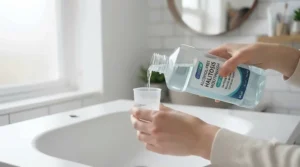
Buying the right bottle is only half the job — how you use it matters almost as much. Timing is the first mistake nearly everyone makes: rinsing with mouthwash immediately after brushing washes away the concentrated fluoride left on your teeth, diluting the very protection you just applied. Dentists generally recommend using mouthwash at a separate time from brushing — after lunch, for instance — rather than straight after your morning routine.
Technique matters too. Swish for the full 30-60 seconds most labels recommend, making sure to actively move liquid across your tongue and along the gumline rather than just the front teeth, since that’s where most odour-causing bacteria actually colonise. A quick five-second swill mostly just wets your mouth and does very little chemistry.
In the first 30 days of switching to a new alcohol-free formula, expect a short adjustment period. Some people notice their mouth feels less immediately “fresh” than with an alcohol-based rinse, simply because there’s no stinging sensation to signal activity — that sting was never doing useful work, but it’s a habit to unlearn. Pair your alcohol-free halitosis mouthwash with gentle tongue cleaning, since a coated tongue alone accounts for a significant share of oral-origin halitosis, and no rinse fully compensates for skipping it.
Real-World Scenarios: Which Product Fits Your Situation
The commuter with morning breath anxiety: If you’re catching a packed train at 7am and dreading small talk, a fast-acting option like UltraDEX Daily Oral Rinse or The Breath Co Fresh Breath Mouthwash makes more sense than a slow-build formula, since you need results within minutes, not weeks.
The chronic sufferer who’s tried everything: If mints, gum and mainstream mouthwash haven’t touched your halitosis, and it persists even with decent brushing, TheraBreath Fresh Breath Oral Rinse is the option most consistently recommended by dentists specifically for stubborn, chronic cases tied to volatile sulphur compounds.
The budget-conscious parent: For a family bathroom cabinet where cost per use and gentle taste matter more than clinical intensity, Colgate Plax Cool Mint Alcohol Free or Corsodyl Daily Gum Care cover everyday needs without breaking the weekly shop budget.
Problem → Solution: Common Halitosis Mouthwash Frustrations
Problem: My mouthwash stings even though it says alcohol-free. Some “alcohol-free” formulas still contain other irritants like high menthol concentrations. Try a zinc-based option such as The Breath Co Fresh Breath Mouthwash, which tends to be gentler on sensitive tissue.
Problem: The freshness fades within an hour. This usually signals a masking-style formula rather than one that neutralises odour at the source. Switching to a chlorine dioxide formula like UltraDEX Daily Oral Rinse addresses the sulphur compounds directly rather than just perfuming over them.
Problem: I still have bad breath despite daily use. Persistent halitosis after weeks of consistent use is a genuine reason to see a dentist rather than keep bottle-hopping — it may signal gum disease, tongue coating needing dedicated cleaning, or occasionally a non-oral cause worth ruling out.
Problem: My gums bleed and my breath is worse in the mornings. This combination often points to gingivitis. Corsodyl Daily Gum Care is specifically formulated for this pattern, though persistent bleeding still warrants a dental check-up.
✨ Don’t Miss These Exclusive Deals!
🔍 Take your oral care routine to the next level with these carefully selected picks. Click on any highlighted product to check current pricing and availability — your fresher mornings start here!
How to Choose Alcohol-Free Halitosis Mouthwash
- Identify your actual cause first. Dry mouth, gum disease, tongue coating and diet all produce different odour profiles, and matching the product to the cause beats grabbing whatever’s cheapest on the shelf.
- Check the active ingredient, not the marketing copy. CPC, zinc compounds and chlorine dioxide all work differently; chlorine dioxide and zinc act fastest on existing odour, while CPC and essential oils work more preventatively.
- Match intensity to severity. Mild, occasional bad breath rarely needs a clinical-strength product like TheraBreath or UltraDEX; save the premium options for genuinely persistent cases.
- Consider fluoride content if cavity risk is a factor. Not every halitosis-focused rinse includes fluoride, so check the label if you want breath and decay protection combined.
- Factor in taste tolerance for daily compliance. The best mouthwash is the one you’ll actually use twice daily — a clinically superior formula you abandon after a week helps nobody.
- Verify it’s genuinely alcohol-free, not just “low alcohol.” Some products use vague front-of-pack language; check the ingredients list for ethanol specifically.
- Set a realistic timeline for results. Antibacterial and zinc-based rinses can show results within days, while essential-oil formulas may take a couple of weeks of consistent use to demonstrate their full effect.
Common Mistakes When Buying Alcohol-Free Halitosis Mouthwash
The single most common mistake is treating all alcohol-free mouthwash as interchangeable, when the active ingredient genuinely determines what problem it solves. Someone with gum-disease-driven halitosis buying a purely cosmetic fluoride rinse like Sensodyne Pronamel Daily Protection expecting a halitosis cure will be disappointed — not because the product is bad, but because it wasn’t built for that job.
A second frequent error is rinsing immediately after brushing, which — as covered in the Practical Usage Guide above — dilutes fluoride protection rather than adding to it. A third is giving up after a few days; essential-oil and CPC-based formulas often need one to two weeks of consistent twice-daily use before the bacterial population on your tongue and gumline meaningfully shifts. Finally, plenty of buyers skip the ingredients list entirely and rely on front-of-pack claims, missing that “alcohol-free” doesn’t automatically mean “gentle” — some alcohol-free formulas still pack a strong menthol punch that irritates sensitive mouths.
Alcohol-Free Mouthwash vs Alcohol-Based Mouthwash
The core argument for alcohol-based mouthwash has always been that ethanol helps essential oils penetrate plaque biofilm more effectively and acts as a preservative. That’s not nothing — but the trade-off is real: alcohol concentrations in traditional UK mouthwash brands range from roughly 14% to 26%, high enough to dry oral tissue, disrupt the natural oral microbiome, and paradoxically create conditions where odour bacteria thrive more easily.
| Factor | Alcohol-Based | Alcohol-Free |
|---|---|---|
| Dry mouth risk | Higher | Lower |
| Suitability for children/dry mouth | Not recommended | Generally suitable |
| Antibacterial speed (with matched actives) | Marginally faster penetration | Comparable with modern actives |
| Sensation | Strong stinging/burning | Mild, non-stinging |
| Best For | Short-term heavy plaque control | Daily long-term halitosis management |
The practical takeaway from this table is that alcohol was never the active ingredient doing the antibacterial work — it was primarily a carrier and preservative, meaning alcohol-free formulas using the same core actives perform comparably for daily use. For anyone managing dry mouth, sensitivity, or genuinely chronic halitosis, alcohol-free is the more sustainable long-term choice, reserving alcohol-based rinses (if at all) for occasional, short-term intensive use.

What to Expect: Real-World Performance
Specs on a bottle rarely translate directly into lived experience, so here’s the honest version. A CPC or essential-oil formula like Listerine Total Care Zero or Corsodyl Daily Gum Care typically delivers a mild, clean mouthfeel that lasts two to four hours before fading gradually — not dramatically. You won’t get a jarring “wall of mint,” which some people miss initially after switching from alcohol-based rinses.
Zinc and chlorine dioxide formulas such as UltraDEX Daily Oral Rinse and TheraBreath Fresh Breath Oral Rinse behave differently: freshness often feels more immediate and can last considerably longer, sometimes six-plus hours, because the active chemistry is binding and neutralising odour molecules rather than simply perfuming over them. The trade-off, as multiple reviewers note, is a more “clinical” taste that takes some adjustment. Across the board, consistent twice-daily use over two to three weeks — not a single dramatic rinse — is what actually shifts entrenched halitosis.
Gum Disease, Oral Bacteria and Bad Breath: The Real Connection
It’s worth being blunt here: gum disease and bad breath are tightly linked, and roughly four in five people with gum disease also experience halitosis as a direct symptom. The mechanism is straightforward once you see it — gingivitis, the earliest stage of gum disease, is a bacterial inflammatory response to plaque building along the gumline. The same oral bacteria producing that inflammation are also releasing the volatile sulphur compounds responsible for the odour.
Left unaddressed, gingivitis can progress to periodontitis, a more serious condition affecting the bone and tissue holding teeth in place. According to guidance from the UK’s Chief Dental Officers in the gov.uk oral health toolkit, chlorhexidine mouthrinse has high-certainty evidence for reducing plaque and gingivitis, though it’s typically recommended for short-term rather than indefinite daily use — which is why products like Corsodyl separate their short-course chlorhexidine treatment from their gentler daily alcohol-free maintenance rinse.
This is precisely why an alcohol-free halitosis mouthwash aimed at gum health, such as Corsodyl Daily Gum Care, can address bad breath at its source rather than its symptom. If you notice bleeding when brushing alongside persistent odour, that combination is worth mentioning to a dentist rather than mouthwash-hopping indefinitely — gum disease caught early is reversible, but it doesn’t resolve itself with rinsing alone.
Dentist-Recommended Mouthwash: What Actually Earns That Label
“Dentist-recommended” gets printed on a lot of packaging, and it’s worth being sceptical about what it actually means. Genuine dentist-recommended mouthwash typically refers to formulas with published clinical evidence behind their active ingredient — chlorhexidine for short-term gum treatment, fluoride for cavity prevention, or CPC and essential oils for plaque and bad-breath control — rather than a vague endorsement bought through marketing partnerships.
The Oral Health Foundation, an independent UK oral health charity, runs an accreditation scheme that’s a genuinely useful shortcut: products carrying its seal have been independently assessed against specific evidence-based criteria rather than self-certified by the manufacturer. Checking for accreditation from bodies like the Oral Health Foundation is a more reliable signal than “recommended by dentists” text alone, which sometimes reflects a small, undisclosed survey sample.
Among the seven products covered here, Corsodyl Daily Gum Care and Listerine Total Care Zero are the most consistently referenced across independent dentist guidance for their well-evidenced active ingredients, while TheraBreath Fresh Breath Oral Rinse is frequently cited specifically in halitosis-focused clinical commentary. None of this means the other four products are inferior — it simply means their evidence base for that exact “dentist-recommended” claim is less centrally documented, which is worth knowing before you pay a premium purely for the label.
Long-Term Cost & Maintenance: Is Premium Halitosis Mouthwash Worth It?
| Product | Approx. Cost per 100ml | Daily Use Cost (20ml/day) |
|---|---|---|
| Colgate Plax Cool Mint Alcohol Free | £0.52-£0.90 | ~10-18p |
| Corsodyl Daily Gum Care | £0.70-£1.00 | ~14-20p |
| Listerine Total Care Zero | £0.66-£1.00 | ~13-20p |
| Sensodyne Pronamel Daily Protection | £0.90-£1.40 | ~18-28p |
| The Breath Co Fresh Breath Mouthwash | £1.00-£2.00 | ~20-40p |
| UltraDEX Daily Oral Rinse | £1.20-£1.80 | ~24-36p |
| TheraBreath Fresh Breath Oral Rinse | £2.10-£3.20 | ~42-64p |
Run the numbers over a year and the gap between the cheapest and priciest option here works out to roughly £100-£150 annually — not trivial, but modest against what a private dental appointment for unresolved gum disease or a persistent halitosis consultation would cost. For occasional, mild bad breath, the budget end of this table is entirely sufficient and there’s little value argument for paying premium prices. For chronic, socially disruptive halitosis that’s resisted cheaper formulas, the extra cost of TheraBreath Fresh Breath Oral Rinse or UltraDEX Daily Oral Rinse is reasonably justified by their more targeted, faster-acting chemistry.
Frequently Asked Questions
❓ Can alcohol-free mouthwash actually fix bad breath?
❓ Is alcohol-free mouthwash safe for daily long-term use?
❓ Why does my breath still smell bad after using mouthwash?
❓ What ingredient works best for chronic halitosis specifically?
❓ Should children use alcohol-free halitosis mouthwash?
Conclusion
Bad breath isn’t a character flaw or bad luck — it’s chemistry, and once you understand which bacteria and which compounds are actually responsible, choosing the right alcohol-free halitosis mouthwash stops being guesswork. For everyday maintenance and gum health, Corsodyl Daily Gum Care and Listerine Total Care Zero are dependable, well-evidenced starting points. For genuinely stubborn, chronic cases, TheraBreath Fresh Breath Oral Rinse and UltraDEX Daily Oral Rinse bring more targeted chemistry to a problem that mint alone was never going to solve.
Budget shouldn’t be a barrier to trying this category, either — Colgate Plax Cool Mint Alcohol Free proves effective alcohol-free protection doesn’t require a premium price tag, while Sensodyne Pronamel Daily Protection and The Breath Co Fresh Breath Mouthwash cover the more specific cases of sensitivity and long-lasting freshness respectively. Whichever you choose, pair it with correct timing, thorough tongue cleaning, and patience over a couple of weeks, and see a dentist if things don’t shift — mouthwash is a powerful tool, not a substitute for professional care when something more is going on.
Recommended for You
- Tongue Scraper for Bad Breath: 7 Best Picks for 2026 (Fresher Fast)
- Gum Massage Tool for Post-Dental-Surgery Care: 7 Gentle Picks (2026)
- Gum Stimulator for Periodontal Disease: 7 UK Picks (2026)
Disclaimer: This article contains affiliate links. As an Amazon Associate, I earn from qualifying purchases. If you purchase products through these links, we may earn a small commission at no additional cost to you.
✨ Found this helpful? Share it with your friends! 💬🤗
