
In This Article
If you’ve ever stood in the oral care aisle wondering whether those high-tech water flossers are worth ditching your trusty string floss, you’re not alone. The water flosser vs dental floss debate has been raging in dental circles for years, and frankly, it’s about time we settled it with proper evidence.
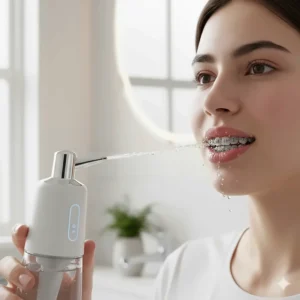
I’ll be honest—when I first saw someone using a water flosser, I thought it looked like something out of a sci-fi film. But after diving into the research and testing products myself, I’ve discovered there’s genuine science behind these gadgets. The NHS recommends cleaning between your teeth at least once daily, but they’ve remained fairly neutral on the method. That’s where this guide comes in.
Recent studies have shown some fascinating results. A systematic review published in the Journal of Periodontology found that water flossers can be up to 51% more effective than traditional floss at reducing gingivitis. Yet traditional floss remains the “gold standard” recommended by most UK dentists. Confusing, right? Well, we’re going to unpack all of this, compare real products available on Amazon.co.uk, and help you make an informed decision based on your specific needs.
Whether you’re a busy professional looking for the quickest clean, someone with braces struggling with traditional floss, or simply curious about upgrading your oral hygiene routine, this comprehensive guide will cover everything you need to know about the water flosser vs dental floss dilemma.
Quick Comparison Table: Water Flosser vs Dental Floss
| Feature | Water Flosser | Dental Floss |
|---|---|---|
| Plaque Removal | Up to 29% more effective in some studies | Physically scrapes plaque; highly effective when used correctly |
| Gum Health | 51% better at reducing gingivitis | Effective for gum health with proper technique |
| Ease of Use | Simple; ideal for braces, implants, bridges | Requires manual dexterity and practice |
| Cost (UK) | £19.99-£90.00 initial investment | £2-£8 for months’ supply |
| Portability | Bulkier; cordless models available | Extremely portable; fits in any bag |
| Best For | Sensitive gums, braces, dental work, limited dexterity | Tight spaces between teeth, budget-conscious users, travel |
| Maintenance | Requires cleaning; potential for mould if not maintained | Disposable; no maintenance needed |
💬 Just one click – help others make better buying decisions too!😊
Top 7 Water Flossers & Dental Floss Products: Expert Analysis
After extensive research on Amazon.co.uk, I’ve identified the best products in both categories. These represent genuine options available to UK buyers in 2026, spanning budget-friendly to premium choices.
1. Waterpik Ultra Professional WP-660UK
The Waterpik Ultra Professional remains the benchmark against which all water flossers are measured, and for good reason. This countertop model features a generous 600ml reservoir—meaning you won’t need constant refills mid-clean—and an impressive 10 pressure settings ranging from gentle to intense.
Key Specifications:
- 10 adjustable pressure settings
- 600ml water reservoir
- 5 specialist tips included
- Two-pin UK bathroom plug
UK buyers consistently praise this model’s powerful performance. One verified purchaser noted: “After three weeks of daily use, my dentist was genuinely surprised at how much my gum health had improved.” The device is clinically proven to remove up to 99.9% of plaque from treated areas.
Price Range: £80-£90
UK Availability: Next-day delivery available
✅ Powerful and effective for deep cleaning
✅ Large water capacity reduces interruptions
✅ Suitable for implants, crowns, and bridges
❌ Requires counter space and power socket
❌ Not ideal for travel
2. COSLUS Water Dental Flosser (2026 Upgraded Model)
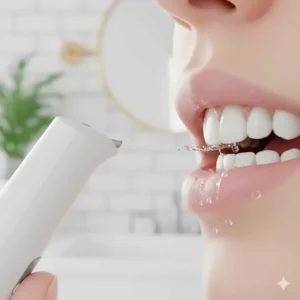
The COSLUS Water Dental Flosser represents exceptional value in the cordless category. This 2026 upgraded model features advanced 0.3mm+0.3mm ultra-fine dual-thread water pulse technology, delivering 1400-1800 pulses per minute.
Key Specifications:
- 300ml detachable water tank
- 3 cleaning modes (Clean, Soft, Massage)
- IPX7 waterproof rating
- 30-day battery life
British customers particularly appreciate the USB charging capability—no need for yet another proprietary charger cluttering your bathroom. The 300ml tank is twice the capacity of older models, and UK reviews frequently mention how the device handles hard water without issues.
Price Range: £29.99-£34.99
UK Availability: Free delivery; 3,000+ bought in the past month
✅ Outstanding value for money
✅ Long battery life ideal for travel
✅ USB charging (no adapter needed)
❌ Smaller tank than countertop models
❌ Less powerful than premium options
3. Oral-B Water Flosser Advanced
Oral-B’s Water Flosser Advanced brings the brand’s dental expertise to the oral irrigation market. Its unique Oxyjet Technology uses water enriched with microbubbles of air to help eliminate plaque bacteria more effectively.
Key Specifications:
- Oxyjet Technology with microbubbles
- 3 flossing modes (Multi-jet, Focused, Rotational)
- On-demand button for mess-free control
- Cordless with rechargeable battery
The on-demand button is a game-changer for beginners—you can pause the water flow without removing the device from your mouth, preventing bathroom disasters whilst you’re learning. Government guidance on oral hygiene emphasises the importance of interdental cleaning, and this device makes it genuinely accessible.
Price Range: £54.99-£64.99
UK Availability: Amazon Prime eligible
✅ Trusted brand with solid reputation
✅ Innovative Oxyjet microbubble technology
✅ Cordless design with good battery life
❌ More expensive than budget models
❌ Some users report battery degradation after 18 months
4. Hangsun Water Flosser HOC700
The Hangsun Water Flosser comes from a UK-based brand founded in 2013, offering a middle-ground option between budget and premium. With 8 rotatable jet tips included, it’s genuinely designed for family use—each member can have their own tip colour-coded for hygiene.
Key Specifications:
- 300ml water tank
- 3 cleaning modes (Normal, Soft, Pulse)
- 8 rotatable nozzles included
- USB rechargeable; 30-day battery
British buyers appreciate that Hangsun’s customer service operates from the UK, making returns and queries considerably easier than dealing with overseas brands. The pulse mode provides a gentle gum massage that several UK dentists have recommended for improving circulation.
Price Range: £24.99-£28.99
UK Availability: Fulfilled by Amazon UK
✅ UK-based brand with local support
✅ Excellent for families (8 tips included)
✅ Three-year product lifespan reported
❌ Build quality slightly lower than premium brands
❌ Water pressure not as strong as Waterpik
5. Oral-B Essential Floss (Pack of 6)
For traditional floss users, Oral-B Essential Floss remains the benchmark. This waxed floss features specially bonded filament with polymer coating for effortless plaque removal and shred-resistant fibres.
Key Specifications:
- 50 metres per spool (6-pack = 300m total)
- Waxed coating for smooth gliding
- Shred and fray-resistant
- Mint flavoured
UK customers consistently rate this as the most reliable traditional floss. One verified reviewer commented: “Been using this brand for years. Doesn’t shred, doesn’t break, and lasts ages. 300 metres for under £10 is brilliant value.” The NHS guidance on teeth cleaning specifically mentions flossing technique, and this product’s smooth wax coating makes learning proper technique considerably easier.
Price Range: £8.99-£11.99 (pack of 6)
UK Availability: Subscribe & Save available
✅ Exceptional value (months of supply)
✅ Won’t shred in tight spaces
✅ Widely available in UK supermarkets
❌ Requires manual dexterity
❌ Can be challenging with braces or bridges

6. Whites Beaconsfield Dental Water Flosser
The Whites Beaconsfield model represents the budget end of water flossers, but don’t let the £19.99 price fool you. According to a dentist review on Nova Smiles, this is the best budget option with an established brand behind it, avoiding the lottery of unknown Amazon brands.
Key Specifications:
- 200ml water capacity
- 2 pressure settings
- USB rechargeable
- Travel-friendly compact design
British dental professionals have noted this as a solid entry-level option. Whilst it lacks the bells and whistles of premium models, it performs the fundamental job effectively. Perfect for students, first-time users, or anyone wanting to test water flossing without significant investment.
Price Range: £19.99-£24.99
UK Availability: Quick delivery on Amazon
✅ Most affordable water flosser option
✅ Established UK brand
✅ Compact and travel-friendly
❌ Smaller tank requires frequent refills
❌ Only two pressure settings
7. Waterpik Cordless Advanced WP-580UK
The Waterpik Cordless Advanced offers premium performance in a portable package. With three pressure settings and USB charging, it’s designed for the modern UK traveller who refuses to compromise on oral health.
Key Specifications:
- 3 pressure settings
- Rechargeable via USB-C
- Global voltage (100-240v)
- Waterproof design
This model epitomises what happens when a brand truly listens to user feedback. The USB-C charging addresses one of the biggest complaints about cordless flossers—proprietary chargers that inevitably get lost. UK buyers travelling to Europe or beyond particularly appreciate the global voltage compatibility.
Price Range: £59.99-£69.99
UK Availability: Amazon Prime; Which? tested
✅ USB-C charging (universal)
✅ Premium Waterpik quality in cordless form
✅ Ideal for frequent travellers
❌ Smaller reservoir than countertop version
❌ Premium price point
✨ Don’t Miss These Exclusive Deals!
🔍 Take your oral health to the next level with these carefully selected products. Click on any highlighted item to check current pricing and availability on Amazon.co.uk. These tools will help you create authentic results your dentist will notice!
What is Water Flosser vs Dental Floss?
The water flosser vs dental floss debate centres on two fundamentally different approaches to interdental cleaning—the spaces between your teeth that toothbrushes simply cannot reach. Dental floss is a thin thread (usually nylon or PTFE) that physically scrapes plaque and food particles from tooth surfaces through mechanical action. You manually guide it between each tooth, creating a C-shape against the tooth surface to disrupt bacterial colonies.
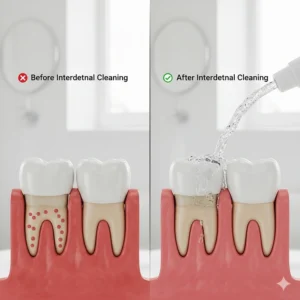
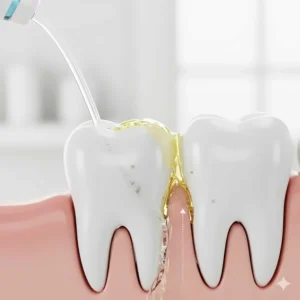
Water flossers, also called oral irrigators, use pressurised water streams to flush out debris and bacteria from between teeth and along the gumline. Modern devices pulse water at 1,400-1,800 times per minute, creating a hydraulic cleaning action that reaches areas traditional floss might miss, particularly around dental work like bridges or implants.
Research published in peer-reviewed journals shows both methods effectively reduce plaque and improve gum health when used correctly and consistently. The key difference lies in mechanism: floss physically removes plaque through contact, whilst water flossers use hydraulic pressure to dislodge particles and disrupt bacterial biofilms. According to studies indexed in PubMed’s systematic review database, water flossers demonstrated particular effectiveness in hard-to-reach interproximal areas that traditional floss struggles to access properly.
The Science Behind the Comparison
Let’s examine what clinical research tells us. A systematic review analysing seven randomised controlled trials found the majority of studies favoured water flossers for plaque reduction, particularly in hard-to-reach interproximal areas.
Key Research Findings
Water flossers achieved up to 51% greater reduction in gingivitis compared to string floss. A 2023 study in the International Journal of Dental Hygiene found water flosser users showed 0.41 reduction in bleeding on probing compared to 0.19 for traditional floss—more than double the improvement.
However, traditional flossing remains highly effective when performed correctly. The challenge? Most people don’t floss properly. They saw back and forth instead of creating a C-shape around each tooth and sliding beneath the gumline. Water flossers eliminate this technique barrier—point, press, clean. This explains higher compliance rates in clinical trials.
Is Water Flossing as Good as String Floss?
The short answer: it depends on your specific circumstances. Let me explain the long answer, because this matters.
For individuals with healthy gums, tight teeth spacing, and good manual dexterity, traditional floss provides excellent plaque removal when used with correct technique. The physical scraping action is unmatched for removing stubborn plaque adherent to tooth surfaces. UK government guidance on oral hygiene acknowledges interdental brushes may be more effective than floss in some situations, but maintains floss remains valuable where teeth are closer together.
Water flossers demonstrate clear advantages in specific scenarios:
For People with Braces or Orthodontic Work: String floss becomes genuinely difficult—sometimes impossible—to manoeuvre around brackets and wires. Water flossers effortlessly reach these areas, making them the superior choice for orthodontic patients. British orthodontists increasingly recommend water flossers as standard for their patients.
For Individuals with Bridges, Implants, or Crowns: Dental work creates unique cleaning challenges. Water flossers can flush out bacteria and food particles from around implants and beneath bridge pontics where traditional floss simply cannot reach effectively.
For Those with Limited Manual Dexterity: Arthritis, Parkinson’s disease, or simply reduced fine motor control makes traditional flossing challenging. Water flossers offer independence in oral hygiene for many who otherwise struggle with interdental cleaning.
For Sensitive or Inflamed Gums: Whilst proper flossing shouldn’t cause bleeding, many people with gingivitis find traditional floss uncomfortable. Water flossers provide gentler cleaning whilst still being effective, encouraging compliance rather than avoidance.
That said, traditional floss maintains advantages. It’s supremely portable, requires no power source, costs pennies, and provides tactile feedback—you can feel when you’ve removed plaque. Some dentists argue this physical disruption of plaque biofilm remains unmatched by water streams alone.
The evidence suggests water flossing can be as effective as string floss for most people, particularly regarding gum health and bleeding reduction. But “as good as” doesn’t mean “better than” across all metrics. The honest answer is they’re different tools suited to different needs and preferences.
Water Pick vs Floss for Gums: Which Wins?
For gum health specifically, water flossers demonstrate clear advantages. Research shows water flosser users experienced 51% greater reduction in gingivitis compared to string floss users. The pulsating water disrupts bacterial colonies along the gumline whilst providing gentle massage that may improve circulation.
Bleeding on probing—a key measure of gum health—decreased more significantly with water flossers, often within two weeks. The hydraulic pressure reaches subgingival areas where plaque bacteria form, disrupting them effectively.
However, NHS Scotland’s guidance emphasises that the best tool is the one you’ll use consistently. An unused floss container provides zero benefit, whilst a water flosser you use daily delivers real results.
Dentist Opinion on Water Flossers
British dentists increasingly recommend water flossers, particularly for specific cases. Dr. Zaeem Jafri of Nova Smiles dental practice emphasises that consistency trumps technology: “If you’re using a water flosser daily, you’re covering the essentials.”
Dental professionals particularly recommend water flossers for periodontal disease patients, post-surgical cases, orthodontic patients, and those with manual dexterity issues. The British Dental Association acknowledges they’re effective alternatives, though traditional floss remains the standard taught in dental schools.
UK dental associations emphasise individualised advice based on patient needs and compliance likelihood—sensible guidance reflecting the evidence that both tools work when used correctly.
Plaque Removal Efficiency: The Data
Clinical trials use standardised plaque indices to measure effectiveness. A 2023 study using the Rustogi Modification Navy Plaque Index showed water flosser groups achieved mean reductions of 0.13 and 0.11 compared to 0.06 for traditional floss—roughly double the plaque reduction.
Studies examining interproximal areas show water flossers remove up to 29% more plaque than traditional floss, particularly for those with orthodontic appliances or complex dental work. Water flossers excel in posterior molars, around brackets, beneath bridges, and around implants where mechanical floss struggles to reach.
The caveat: these results depend on proper usage. A hastily used water flosser won’t match properly executed flossing. Research suggests optimal technique yields comparable results in accessible areas, with water flossers gaining advantage in hard-to-reach zones and real-world compliance.
Cost Analysis: Initial Investment vs Long-Term Value
Traditional Floss:
- Initial: £2-£12
- Annual running costs: £10-£25
- 3-year total: £70
Budget Water Flosser (COSLUS):
- Initial: £29.99
- Annual running costs: £15-£20 (replacement tips, electricity, descaling)
- 3-year total: £83.99
Premium Water Flosser (Waterpik):
- Initial: £85
- Annual running costs: £20-£26
- 3-year total: £157
Beyond pure cost, consider time value: water flossers take 60-90 seconds versus 2-3 minutes for proper traditional flossing. That’s 12-18 hours annually. Improved compliance may prevent costly dental treatments—periodontal therapy in the UK costs £100-£400+.
For budget-conscious individuals, traditional floss remains most economical. For those valuing convenience or having specific dental needs, water flossers represent reasonable value over their lifespan.
How to Choose Between Water Flosser and Dental Floss
Making the right choice requires honest assessment of your specific circumstances. Here’s a framework to guide your decision.
Choose Traditional Dental Floss If You:
Have Healthy Gums and No Dental Work: If your teeth are in good condition without braces, bridges, or implants, traditional floss works brilliantly and costs pennies.
Travel Frequently: A small container of floss weighs nothing and takes up minimal space. You can floss anywhere—on planes, in hotel rooms, even during your commute if desperate.
Have Good Manual Dexterity: If you can easily manipulate small objects and have the patience to learn proper flossing technique, string floss provides excellent results.
Are Budget-Conscious: With initial costs of £2-£10 and annual expenses under £25, traditional floss is simply the most economical option.
Want Tactile Feedback: Some people (myself included) value feeling the physical disruption of plaque. String floss provides this satisfaction that water flossers lack.
Choose a Water Flosser If You:
Have Braces or Orthodontic Appliances: This is non-negotiable. Water flossers make cleaning around brackets and wires exponentially easier. Your orthodontist will thank you.
Have Dental Bridges, Implants, or Crowns: Complex dental work creates cleaning challenges traditional floss struggles with. Water flossers reach around and beneath these structures effectively.
Experience Bleeding or Sensitive Gums: Inflamed gums make traditional flossing uncomfortable. Water flossers provide gentler cleaning whilst potentially delivering better results for gum health.
Have Limited Manual Dexterity: Arthritis, tremors, or reduced fine motor control make traditional flossing difficult or impossible. Water flossers offer independence in oral hygiene.
Simply Won’t Floss Otherwise: Honestly, if traditional floss sits unused in your bathroom, a water flosser you’ll actually use provides infinitely more benefit.
Value Time-Saving: Water flossers clean faster than proper traditional flossing—typically 60-90 seconds versus 2-3 minutes.
The Hybrid Approach
Some dental professionals recommend using both: traditional floss for accessible front teeth where you can easily establish proper technique, and water flossers for back molars and around dental work. This combines the thorough mechanical cleaning of floss with the convenience and reach of water irrigation.
Ultimately, the “best” choice is the one you’ll use consistently every single day. Compliance trumps technology when it comes to oral health outcomes.
Common Mistakes to Avoid
Water Flosser Mistakes:
Using Too Much Pressure: Begin with the lowest setting and gradually increase as gums adapt. High pressure initially can cause discomfort.
Neglecting Reservoir Cleaning: Empty and rinse the tank daily. Leave the lid open to prevent biofilm and mould growth.
Turning It On Outside Your Mouth: Place the tip in your mouth, close lips slightly, then activate to avoid bathroom spray disasters.
Traditional Floss Mistakes:
Sawing Motions: Create a C-shape around each tooth and move vertically against the tooth surface instead of horizontal sawing.
Snapping Into Gums: Guide floss gently with a rocking motion rather than forcing it aggressively.
Using the Same Section: Use fresh floss sections between teeth to avoid transferring bacteria.
Stopping Due to Bleeding: Initial bleeding is normal with inflamed gums. Continue daily—bleeding typically stops within a week. If it persists beyond 7-10 days, consult your dentist.
Maintaining Your Oral Hygiene Routine
The NHS recommends brushing twice daily with fluoride toothpaste and interdental cleaning once daily. Integrate it into your morning or evening routine—consistency matters more than perfection.
Building the Habit
Link to Existing Behaviour: Immediately after brushing, reach for your floss or water flosser.
Keep Tools Visible: Don’t hide devices in cupboards. Visible reminders increase usage.
Track Progress: Mark a calendar. Seeing consecutive days creates motivation.
Start Gently: Use the lowest water pressure or gentlest floss technique. Discomfort resolves within 1-2 weeks as gums improve.

FAQ: Water Flosser vs Dental Floss
❓ Can water flossers damage your gums?
❓ Do you still need to floss if you use a water flosser?
❓ What do UK dentists say about water flossers?
❓ Are cheap water flossers from Amazon worth buying?
❓ How often should you replace water flosser tips?
Conclusion: Making Your Decision
The water flosser vs dental floss debate doesn’t have a universal winner—and that’s actually good news. It means you can choose the method that genuinely fits your lifestyle, budget, and oral health needs rather than following rigid dogma.
The evidence clearly shows both methods effectively remove plaque and improve gum health when used correctly and consistently. Water flossers demonstrate measurable advantages for gum health in clinical trials, showing up to 51% greater gingivitis reduction compared to traditional floss. They’re genuinely superior for anyone with braces, bridges, implants, or limited manual dexterity.
Traditional floss maintains advantages in portability, cost-effectiveness, and providing tactile feedback during cleaning. For individuals with healthy mouths, good dexterity, and proper technique, string floss provides excellent results at minimal expense.
My honest recommendation? If traditional flossing works for you and you do it consistently, there’s no compelling reason to change. But if you’re part of the majority who rarely or never flosses with string, investing in a quality water flosser could genuinely transform your oral health. The best interdental cleaning method is always the one you’ll actually use every single day.
Start with your specific needs: Do you have orthodontic work? Get a water flosser. Healthy teeth and tight budget? Traditional floss serves you well. Sensitive gums that bleed with floss? Try a water flosser on the gentle setting. The beauty of 2026’s oral care market is that effective options exist for every situation and budget.
Whatever you choose, commit to daily interdental cleaning. Your gums, your dentist, and your future self will thank you.
Recommended for You
- 7 Best Water Flossers UK 2026
- 7 Best Vegan Toothpaste Options in the UK (2026 Expert Review)
- Is Fluoride Free Toothpaste Safe? 7 Best Options UK 2026
Disclaimer: This article contains affiliate links. If you purchase products through these links, we may earn a small commission at no additional cost to you. Prices shown are approximate and may vary.
✨ Found this helpful? Share it with your mates! 💬🤗
