
In This Article
You’ve seen it all over Instagram and TikTok—people brushing their teeth with what looks like liquorice paste, promising pearly whites in weeks. But does charcoal toothpaste really work, or is it just another wellness trend that’ll leave your wallet lighter and your teeth… well, darker?
I’ll admit, when I first spotted charcoal toothpaste on the shelves at Boots, I was sceptical. Black paste for whiter teeth? It sounded like dental alchemy. Yet here we are in 2026, and activated charcoal toothpastes are flying off shelves across the UK faster than you can say “influencer approved.”
The truth is considerably more nuanced than the marketing claims suggest. Recent studies from 2025 have shed new light on whether charcoal toothpaste really work for teeth whitening, and the results might surprise you. Spoiler alert: it’s not all black and white (pun absolutely intended).
In this comprehensive guide, we’ll dissect the science, scrutinise seven popular charcoal toothpastes available on Amazon.co.uk, and help you determine if this trend deserves a spot in your bathroom cabinet. From safety concerns flagged by the British Dental Journal to actual whitening effectiveness backed by clinical research, we’re leaving no tooth unstained—er, I mean, unturned.
Quick Comparison Table
| Product | Type | Fluoride | Price | Rating | Best For |
|---|---|---|---|---|---|
| Pro Teeth Whitening Co. | Activated Charcoal | No | £8-12 | 4.3/5 | Budget-conscious |
| Colgate Max White | Charcoal + Minerals | Yes | £3-5 | 4.5/5 | Daily use |
| Biomed Triple Charcoal | 3-Type Charcoal | No | £4-7 | 4.4/5 | Natural enthusiasts |
| Dr Organic | Organic Charcoal | Yes | £5-8 | 4.2/5 | Sensitive teeth |
| Arm & Hammer | Charcoal + Baking Soda | Yes | £3-4 | 4.3/5 | Deep cleaning |
| XOC Charcoal | Antibacterial | No | £2-4 | 4.0/5 | Value seekers |
| Hello Activated Charcoal | Coconut Oil + Charcoal | No | £10-15 | 4.1/5 | Eco-conscious |
💬 Just one click – help others make better buying decisions too!😊
Top 7 Charcoal Toothpastes Available in the UK: Expert Analysis
1. Pro Teeth Whitening Co. Activated Charcoal Toothpaste
Key Specifications:
- 75ml tube with activated charcoal from coconut shells
- Fluoride-free, vegan-friendly formula
- Pleasant minty flavour without harsh chemicals
Price Range: £8.99-£11.99
This British-made charcoal toothpaste has garnered quite the following since launching. The Pro Teeth Whitening Co. Activated Charcoal Toothpaste promises to gently restore natural whiteness through its porous activated charcoal, which supposedly attaches to toxins and impurities—a claim that sounds more impressive than it actually is in practice.
UK buyers report noticeable results after just three uses, though dental professionals remain cautious about such rapid transformations. One reviewer noted their teeth appeared “at least one shade noticeably whiter” within days, though they wisely acknowledged the abrasive nature and limited usage to avoid enamel damage. The refreshing mint taste sets it apart from competitors, making it more palatable than traditional toothpastes for some users.
Quick Pros:
✅ Made in UK, GMP certified
✅ Low abrasion formula
✅ Pleasant taste compared to competitors
Cons:
❌ Lacks fluoride protection
❌ Can be messy during application
2. Colgate Max White Charcoal Toothpaste
Key Specifications:
- 75ml tube with activated charcoal and mineral micro-particles
- Contains 1450 ppm fluoride for cavity protection
- Clinically proven formula
Price Range: £3.49-£4.99
When a household name like Colgate enters the charcoal toothpaste game, you know the trend has staying power. Colgate Max White Charcoal cleverly combines activated charcoal with their traditional whitening technology, potentially offering the best of both worlds.
The fluoride content (1450 ppm) addresses one of the major criticisms of charcoal toothpastes—lack of cavity protection. UK reviewers appreciate that it “doesn’t leave your breath feeling as fresh” as regular Colgate products but delivers on whitening promises. One over-50 smoker and tea drinker reported their dentist noticed improvements, which speaks volumes given that demographic faces stubborn staining.
Quick Pros:
✅ Contains fluoride for cavity prevention
✅ Trusted brand with clinical backing
✅ Gentle on sensitive teeth
Cons:
❌ Less breath freshness than regular variants
❌ Slower results than advertised
3. Biomed Triple Charcoal Whitening Toothpaste
Key Specifications:
- 100g tube featuring bamboo, activated, and wood charcoal
- 98% natural ingredients with pineapple bromelain enzyme
- Vegan, SLES-free, fluoride-free
Price Range: £4.49-£6.99 (single); £12-18 (3-pack)
Biomed Triple Charcoal takes an interesting “more is more” approach by incorporating three distinct charcoal types. The addition of bromelain (a pineapple enzyme) that breaks down dental plaque adds scientific credibility to the formulation, though whether charcoal toothpaste really work better with this enzyme remains debatable.
British customers have reported significant gum health improvements beyond whitening. One detailed reviewer noted that sensitive, bleeding gums improved dramatically after switching to Biomed. The hydroxyapatite and L-arginine work to strengthen enamel, partially compensating for the absence of fluoride. Tea drinkers report it effectively prevents and removes tea stains with regular use—a crucial consideration for us Brits!
Quick Pros:
✅ Triple charcoal system
✅ Improves gum health
✅ 98% natural formula
Cons:
❌ No fluoride protection
❌ Takes 2-3 weeks for visible results
4. Dr Organic Activated Charcoal Toothpaste
Key Specifications:
- 100ml tube with organic ingredients
- Soil Association COSMOS Organic certified
- Contains sodium monofluorophosphate
Price Range: £5.49-£7.99
For those wanting charcoal toothpaste with a conscience, Dr Organic ticks all the eco-boxes whilst delivering on functionality. As the biggest Soil Association COSMOS Organic certified beauty brand in the UK, they’ve built trust through transparent sourcing and formulation.
This toothpaste combines activated charcoal with organic aloe vera, peppermint oil, and tea tree oil. The inclusion of fluoride (as sodium monofluorophosphate) makes it a safer daily option than fluoride-free alternatives. The Icelandic moss extract and escin support gum health, addressing concerns about charcoal’s abrasiveness causing gum recession.
Quick Pros:
✅ Organic certification
✅ Contains fluoride
✅ Cruelty-free and vegan
Cons:
❌ Higher price point
❌ Smaller improvements vs. conventional whitening
5. Arm & Hammer Charcoal White Toothpaste
Key Specifications:
- 75ml tube combining charcoal with baking soda
- Contains 1450 ppm fluoride
- Clinically proven stain removal
Price Range: £3.18-£3.99
Leave it to the Americans to add baking soda to everything—but in this case, it actually works! Arm & Hammer Charcoal White leverages their signature sodium bicarbonate alongside activated charcoal for what they claim is 100% more surface stain removal compared to regular toothpastes.
UK reviewers appreciate the deep-clean feeling and note it’s particularly effective for coffee and tea stains (naturally). The fluoride content ensures you’re not sacrificing dental health for aesthetics. One user described it as the “BEST toothpaste I have ever used,” though such hyperbole should be taken with a grain of—well, baking soda.
Quick Pros:
✅ Dual-action cleaning (charcoal + baking soda)
✅ Contains fluoride
✅ Excellent value for money
Cons:
❌ Taste may be too strong for some
❌ Can feel gritty during brushing
6. XOC Charcoal Cleaning Toothpaste
Key Specifications:
- 100ml tub with antibacterial properties
- Budget-friendly option
- Combats bad breath and common stains
Price Range: £2.49-£3.99 (available at Home Bargains for £0.79!)
If you’re wondering whether charcoal toothpaste really work without breaking the bank, XOC Charcoal is your answer. This no-frills option strips away the fancy packaging and marketing, delivering basic charcoal cleaning at bargain-basement prices.
One enthusiastic UK reviewer proclaimed it “GIVES YOU A MILLION POUND SMILE”—though we suspect that’s more enthusiasm than literal truth. The antibacterial formulation helps combat bad breath, which is often overlooked in the whitening conversation. For occasional use or those wanting to trial charcoal toothpaste without commitment, XOC represents minimal financial risk.
Quick Pros:
✅ Incredibly affordable
✅ Good size (100ml)
✅ Effective for basic stain removal
Cons:
❌ Basic formulation without extras
❌ Less sophisticated taste profile
7. Hello Activated Charcoal Toothpaste
Key Specifications:
- 113g tube made from sustainable bamboo charcoal
- Contains coconut oil and fresh mint
- Fluoride-free, SLS-free, vegan
Price Range: £10.99-£14.99
From across the pond comes Hello Activated Charcoal, an American brand that’s made inroads into the UK market through its eco-friendly credentials and Instagram-worthy packaging. The sustainable bamboo charcoal and coconut oil combination appeals to the wellness-conscious demographic.
Whilst UK availability can be spotty (check Amazon.co.uk carefully), those who do get their hands on it report the “super coal and minty” flavour makes brushing genuinely pleasant. The plastic-free packaging commitment resonates with environmentally-minded Brits, though you’re paying a premium for these ethical considerations.
Quick Pros:
✅ Sustainable bamboo charcoal
✅ Excellent flavour
✅ Eco-friendly packaging
Cons:
❌ Higher price point
❌ Limited UK availability
❌ No fluoride protection
✨ Don’t Miss These Exclusive Deals!
🔍 Take your dental care to the next level with these carefully selected products. Click on any highlighted item above to check current pricing and availability on Amazon.co.uk. These toothpastes will help you create authentic whitening results your dentist will notice!
Understanding Activated Charcoal: What’s Actually Happening in Your Mouth?
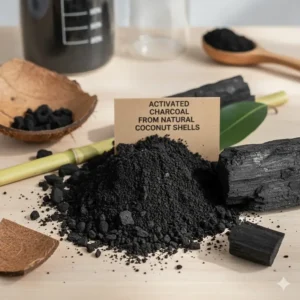
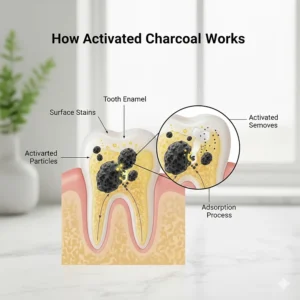
Let’s demystify the science before we wade deeper into whether charcoal toothpaste really work as advertised. Activated charcoal isn’t just burnt toast scraped into a tube—it’s carbon that’s been treated under extreme heat (1,100-1,600°F or 593-871°C) to create a highly porous structure with vast surface area.
This porosity is why activated charcoal works brilliantly in emergency rooms for treating poisonings—it traps toxins like a molecular sponge. Toothpaste manufacturers claim this same mechanism lifts stains, tannins, and discolouration from tooth enamel. Sounds logical, right?
The problem is that teeth aren’t stomachs. The British Dental Journal’s 2019 analysis found insufficient scientific evidence supporting these marketing claims. Most whitening achieved by charcoal toothpastes comes from mechanical abrasion—essentially scrubbing stains away—rather than any special “absorption” properties.
The Two Types of Tooth Stains
To understand whether charcoal toothpaste really work, you need to grasp the difference between extrinsic and intrinsic staining:
Extrinsic stains sit on the enamel surface, caused by coffee, tea, red wine, and cigarettes. These are the easy targets that charcoal can potentially address through mechanical removal.
Intrinsic stains exist within the tooth structure itself, caused by aging, medications, or trauma. No amount of scrubbing—charcoal or otherwise—will touch these. Only professional bleaching treatments that penetrate enamel can address intrinsic discolouration.
This distinction explains why some people swear charcoal toothpaste transformed their smile whilst others see minimal results. Heavy coffee drinkers with significant extrinsic staining might notice improvements, whilst those with intrinsic yellowing will be disappointed.
The Science Verdict: Recent Studies on Charcoal Toothpaste Effectiveness
A groundbreaking 2025 study published in the Journal of Dentistry compared activated charcoal toothpaste against 6% hydrogen peroxide whitening pens over 30 days. The results were enlightening:
- Charcoal toothpaste showed perceptible improvement after 7 days for most test teeth
- Maximum whitening effect plateaued after 14 days
- Teeth with prior dental work (like root canals) showed minimal response
- The whitening mechanism was primarily mechanical surface pigment removal, not intrinsic colour change
A systematic review in the journal Archives of Oral Biology (2022) concluded that charcoal toothpastes possess “a lower whitening effect than other alternatives and can be considered as less safe due to high abrasive potential.”
That word—abrasive—keeps cropping up in dental literature, and it’s the key concern that overshadows any whitening benefits.
What Dental Professionals Actually Think
The American Dental Association has not granted its Seal of Acceptance to any charcoal-based toothpaste. Dr. Edmond Hewlett from UCLA School of Dentistry told Consumer Reports: “There’s no compelling evidence at all of any advantage of using charcoal toothpaste.”
Closer to home, UK dental professionals echo these concerns. The lack of fluoride in most charcoal toothpastes particularly troubles dentists, as fluoride remains the gold standard for cavity prevention and enamel strengthening.
Safety Concerns: The Dark Side of Black Paste
Enamel Erosion—The Irreversible Problem
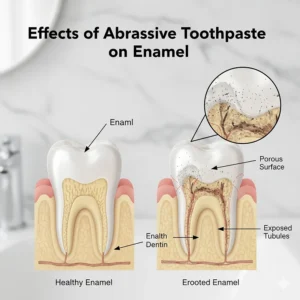
Here’s the uncomfortable truth: tooth enamel doesn’t regenerate. Once it’s worn away by abrasive toothpastes, you’re left with exposed dentin (the yellower layer beneath), making teeth appear darker over time—the opposite of your intended goal!
A 2025 study examining enamel abrasion found that charcoal toothpastes caused significantly more surface roughness than conventional alternatives. Rougher enamel creates more nooks where bacteria can hide, potentially increasing cavity risk despite your whitening efforts.
Harvard Medical School warns against daily use, recommending charcoal toothpaste only for occasional application—if at all.
The Fluoride Dilemma
Most charcoal toothpastes skip fluoride to appeal to the “natural” crowd, but this creates a genuine public health concern. Fluoride strengthens enamel, prevents decay, and helps remineralize early cavities. Without it, you’re gambling with your long-term dental health for short-term aesthetic gains.
Even worse, the absorbent properties of activated charcoal might bind to fluoride in formulations that do include it, potentially rendering it less effective. It’s a lose-lose situation.
Gum Health Considerations
The gritty texture that makes charcoal toothpaste effective at scrubbing also makes it potentially harmful to delicate gum tissue. Aggressive brushing with abrasive paste can contribute to gum recession, exposing sensitive root surfaces. Once gums recede, they don’t grow back—another irreversible consequence.
Charcoal Toothpaste vs Traditional Whitening: Head-to-Head Comparison
| Factor | Charcoal Toothpaste | Hydrogen Peroxide Paste | Professional Whitening |
|---|---|---|---|
| Whitening Power | Low-Moderate | Moderate-High | Very High |
| Speed of Results | 1-3 weeks | 2-4 weeks | Immediate-3 days |
| Enamel Safety | Low (abrasive) | Moderate | High (supervised) |
| Cost | £3-15 | £4-12 | £150-400+ |
| Fluoride Content | Usually No | Usually Yes | N/A (separate treatment) |
| Intrinsic Stain Removal | No | Moderate | Yes |
| Long-term Use Safety | Not recommended | Yes | Periodic only |
How to Use Charcoal Toothpaste Safely (If You Must)
If you’re determined to try charcoal toothpaste despite the concerns, here’s how to minimise risk:
Rule #1: Occasional Use Only
Limit charcoal toothpaste to 2-3 times per week maximum. Use regular fluoride toothpaste for all other brushing sessions to maintain proper enamel protection.
Rule #2: Gentle Technique Matters
Brush with soft, circular motions rather than aggressive scrubbing. Let the charcoal do the work—additional pressure just accelerates enamel wear.
Rule #3: Follow with Fluoride
Always use a fluoride mouthwash or alternate brushings with fluoride toothpaste to ensure adequate mineral protection.
Rule #4: Monitor Your Teeth
If you notice increased sensitivity, gum irritation, or paradoxically darker teeth, stop immediately and consult your dentist.
Rule #5: Mind the Mess
Charcoal stains everything—sinks, grout, clothing. Rinse thoroughly and wipe surfaces immediately after use. Your landlord will thank you.
Benefits vs Risks: The Honest Assessment
Potential Benefits of Activated Charcoal Toothpaste
Surface Stain Removal For extrinsic stains from coffee, tea, and wine, charcoal toothpaste can provide modest improvement through mechanical abrasion. Think of it as a gentle polish rather than transformative whitening.
Natural Appeal Many formulations avoid artificial flavours, colours, and sweeteners, appealing to those seeking more natural oral care options. Just remember that “natural” doesn’t automatically mean “better” or “safer.”
Breath Freshening Charcoal’s odour-absorption properties may help with bad breath temporarily, though proper oral hygiene addresses the root cause more effectively.
Documented Risks and Concerns
Enamel Erosion The primary concern that overshadows all potential benefits. Irreversible enamel loss leads to sensitivity, decay susceptibility, and ultimately darker teeth.
Lack of Cavity Protection Without fluoride, you’re more vulnerable to decay—a high price for aesthetic ambitions.
Gum Recession Abrasive particles can damage soft tissue, especially with vigorous brushing or existing gum sensitivity.
Staining Paradox Charcoal particles can lodge in cracks, existing fillings, or porous enamel, causing grey or black staining—the opposite of your goal.
Better Alternatives for Safe Teeth Whitening in the UK
Professional Whitening Treatments
Dental practices across the UK offer safe, effective whitening under professional supervision. Whilst more expensive (£150-£400), results are dramatic and protected by dental expertise.
Whitening Strips and Gels
Hydrogen peroxide or carbamide peroxide strips (like Crest Whitestrips, available through UK suppliers) offer moderate whitening with less abrasion risk than charcoal.
Whitening Toothpastes with Gentle Abrasives
Products using silica or calcium carbonate provide stain removal without charcoal’s excessive abrasiveness. Look for the British Dental Association approval.
Natural Prevention Methods
- Rinse with water after consuming staining foods/drinks
- Use a straw for coffee and tea (sustainability considered)
- Regular dental cleanings remove stubborn surface stains
- Quit smoking (the ultimate win for teeth and health)
💎 Want Safer Whitening Options?
Discover professional-grade alternatives that deliver results without compromising your enamel! Our recommended whitening strips and dentist-approved toothpastes offer proven effectiveness. Check current UK availability and pricing now!
The Cost Analysis: Is Charcoal Toothpaste Worth Your Pounds?
| Product Type | Average UK Cost | Uses per Tube | Cost per Use | Effectiveness Rating |
|---|---|---|---|---|
| Charcoal Toothpaste | £4-12 | 50-75 | £0.05-£0.24 | 2.5/5 |
| Whitening Strips | £25-45 | 14-28 | £0.89-£3.21 | 4/5 |
| Professional Whitening | £200-400 | 1 treatment | £200-£400 | 5/5 |
| Regular Whitening Paste | £3-8 | 50-75 | £0.04-£0.16 | 3/5 |
When you calculate cost-per-result rather than just cost-per-use, charcoal toothpaste represents questionable value. You’re paying for a product that dental professionals caution against, delivering modest results with potential long-term consequences.
Frequently Asked Questions About Charcoal Toothpaste
❓ How long does it take to see whitening results from charcoal toothpaste?
❓ Can I use charcoal toothpaste every day safely?
❓ Does charcoal toothpaste contain fluoride for cavity protection?
❓ Will charcoal toothpaste damage my dental veneers or crowns?
❓ Is charcoal toothpaste suitable for children and teenagers?
Conclusion: The Verdict on Whether Charcoal Toothpaste Really Work
So, does charcoal toothpaste really work? The answer is frustratingly nuanced: yes, but not as advertised, and probably not worth the risks.
Charcoal toothpastes can remove superficial stains through mechanical abrasion—essentially acting as a gritty polish for your teeth. For those with significant coffee, tea, or wine staining, you might notice modest improvements over 2-3 weeks. But these results come with considerable caveats.
The abrasive properties that enable stain removal simultaneously threaten your enamel—the very thing protecting your teeth from decay, sensitivity, and further discolouration. Once enamel erodes, it’s gone forever. You’re essentially trading short-term aesthetic gains for potential long-term dental problems.
Moreover, the absence of fluoride in most formulations removes a crucial protective factor against cavities. The trendy “natural” positioning actually undermines oral health by eliminating one of dentistry’s most proven preventive ingredients.
Recent scientific evidence from 2025 confirms what dental professionals have suspected: charcoal toothpastes deliver inferior whitening compared to hydrogen peroxide alternatives whilst posing greater safety concerns. The British Dental Journal’s conclusion remains definitive—insufficient evidence supports the efficacy claims, whilst risks are well-documented.
If you’re committed to trying charcoal toothpaste despite these warnings, opt for formulations that include fluoride (like Colgate Max White Charcoal or Arm & Hammer), use them sparingly (2-3 times weekly maximum), employ gentle brushing technique, and maintain regular dental check-ups.
Better alternatives exist: professional whitening offers dramatic, safe results under expert supervision; hydrogen peroxide toothpastes deliver superior whitening with less abrasion; and simple preventive measures (regular cleaning, reducing stain-causing habits) maintain naturally white teeth without risky interventions.
The charcoal toothpaste trend represents brilliant marketing more than dental innovation. Save your enamel—and your money—for products backed by robust scientific evidence and professional endorsement.
Recommended for You
- 7 Best Whitening Toothpaste UK 2026
- Best Sonicare Brush Heads UK 2026
- Best Cheap Oral B Brush Heads UK 2026
Disclaimer: This article contains affiliate links. If you purchase products through these links, we may earn a small commission at no additional cost to you. Prices shown are approximate and may vary. Always consult your dentist before making significant changes to your oral care routine.
✨ Found this helpful? Share it with your mates! 💬🤗
