

In This Article
Dental probiotics for adults are live, friendly bacteria, usually Streptococcus salivarius K12 or M18, or Lactobacillus reuteri. They come as lozenges or chewable tablets so they settle in the mouth rather than the gut. They aim to crowd out the species behind bad breath, plaque and bleeding gums, working alongside brushing, never instead of it.

Why does that matter? Your mouth isn’t a sterile tube. It’s a crowded, noisy city of bacteria, and most residents are harmless or helpful. Trouble starts when the rowdy species take over, the ones that churn out sulphur gases or feast on plaque. NHS guidance is blunt about the foundation. Adults should brush twice a day for about two minutes with a fluoride toothpaste of at least 1,350ppm, and clean between the teeth too. Probiotics are the garnish, not the main course. Even so, a well-chosen garnish can be surprisingly good.
This guide compares seven real products from the UK market, from budget lozenges to premium multi-strain tablets. I haven’t personally used any of them, and I won’t pretend otherwise. Everything below comes from label and spec analysis, published research and clearly flagged reviewer sentiment. You’ll also get a practical daily oral care routine and a plain-English look at adult dosage strength. There’s also an honest read on the evidence for probiotics for adult gum care. If you’ve been wondering whether dental probiotics for adults are worth the money, read on.
Quick Comparison: Dental Probiotics for Adults at a Glance
Short on time? This snapshot matches the main buying priorities to the pick that fits them best. The full breakdown follows further down.
| Your priority | Pick | Standout trait | Best For |
|---|---|---|---|
| Broadest all-rounder | Mouthgenics Dental Probiotics | Seven strains, UK-made | Adults wanting breath and gum goals in one bottle |
| Strongest gum-related research | BioGaia Prodentis | Two patented L. reuteri strains | Adults working with a dentist on gum health |
| Lowest entry cost | Luv Biotics Original Mint Lozenges | Xylitol and aloe vera lozenge, under £10 per 30 | Budget buyers and dry-mouth sufferers |
| Both BLIS strains | HealthAid OralProbio | K12 and M18 at 1 billion CFU each | Adults who want the two best-known S. salivarius strains |
| Simplest breath-focused option | NOW OralBiotic | Single K12 strain, 60 lozenges | Breath-focused adults who want minimal fuss |
Looking at the table, Mouthgenics Dental Probiotics is the safest default if you want one product to cover most bases. BioGaia Prodentis earns its higher cost only if gum health is your main goal, because that’s where its strain has the most published support. Budget buyers should note that Luv Biotics Original Mint Lozenges and NOW OralBiotic cost the least, though they target different problems.
💬 Just one click — help others make better buying decisions too!😊
Top 7 Dental Probiotics for Adults: Expert Analysis
Before the individual write-ups, here’s the full spec comparison. Review evidence is drawn only from pages I could verify. Where I couldn’t find a reliable pool of reviews, the table says so rather than guessing.
| Product | Strains | Strength per dose | Price range | Review evidence | Best For |
|---|---|---|---|---|---|
| Mouthgenics Dental Probiotics | 7 strains incl. K12 | 8bn CFU (2bn K12) | Around £15–£22 per 30 | 35 brand-site reviews, about 4.9/5 | One-bottle all-rounder |
| BioGaia Prodentis | L. reuteri (2 strains) | 200m CFU | Around £20–£30 per 30 | Not verified; strong clinical literature | Gum-focused adults |
| Luv Biotics Original Mint Lozenges | L. reuteri | Not stated on page | Under £10 per 30 | 58 brand-site reviews, mostly five-star | Budget and dry mouth |
| HealthAid OralProbio | K12 + M18 | 1bn CFU each | Varies by seller | Not verified | Dual-BLIS fans |
| NOW OralBiotic | K12 | 1bn CFU | Around £12–£18 per 60 | Not verified | Breath on a budget |
| Great Oral Health Advanced Oral Probiotics | 7 strains incl. K12 and M18 | Per-strain not confirmed | Import; check current price | Not verified | Strain variety |
| NatureWise Oral Probiotics | 12 strains incl. K12 and M18 | Per-strain not confirmed | Check current price | Not verified | Chewable mints |
The pattern is clear. Products naming their strain at strain level and printing a CFU figure are easier to judge than those hiding behind a headline strain count. If a number is missing, that’s a gap in what you can assess, not a hint of hidden quality.
1. Mouthgenics Dental Probiotics — UK-made seven-strain all-rounder
The standout here is breadth. Mouthgenics Dental Probiotics packs seven strains, including S. salivarius K12 and several Lactobacillus species, into one chewable tablet. Each delivers 8 billion CFU, 2 billion of it from K12, alongside zinc, vitamin D3, xylitol and inulin as a prebiotic. In practice, one tablet after brushing at night covers breath, plaque and gum goals on paper, so you needn’t juggle separate K12 and L. reuteri products. The brand also states no refrigeration is needed, which suits a bathroom shelf.
Based on the spec comparison, this suits adults who want a single-bottle daily oral care routine and prefer UK manufacture. The catch is that a blend makes it harder to know which strain is doing what. The brand’s “fewer CFU beats more CFU” argument is marketing, not head-to-head evidence.
Reviewers on the brand’s own shop (35 reviews, around 4.9 out of 5) repeatedly mention fresher mornings, less gum bleeding after a few weeks and a pleasant taste. A couple would prefer spearmint or find it slightly sweet. Because those reviews sit on the seller’s site, treat them as indicative, not independent.
Pros:
- ✅ Seven strains plus zinc, vitamin D3 and inulin
- ✅ Dairy-free K12 and no refrigeration needed
- ✅ UK-made with eco-minded packaging
Cons:
- ❌ Blend makes strain-level evidence harder to judge
- ❌ Reviews are mostly seller-hosted, not independent
Expect around £15–£22 per 30-tablet bottle, which is good value if you’d otherwise buy two separate products.

2. BioGaia Prodentis — best-researched strain for gum care
This is the research heavyweight. BioGaia Prodentis contains two patented L. reuteri strains (DSM 17938 and ATCC PTA 5289), at 200 million CFU per lozenge in total. That’s a far smaller number than the multi-billion rivals. Yet CFU isn’t a league table, and this strain is the one with the clearest published gum-related data. L. reuteri also produces reuterin, a natural antimicrobial, which is the mechanism usually cited. Labels advise one or two lozenges daily, dissolved slowly after brushing and flossing. The maker’s guidance suggests allowing around ten minutes.
What most buyers overlook is that this product’s strength is evidence, not strain count. If your gums bleed and you’re already seeing a hygienist, it’s the most logical adjunct. If you only want fresher breath, you’d pay a premium for benefits you don’t need.
I couldn’t find a sizeable pool of independent UK reviews during research. Rather than invent sentiment, I’d point you to the clinical literature (covered later) and to current buyer reviews on Amazon UK.
Pros:
- ✅ Most-studied strain for gum-related outcomes
- ✅ Hygienic blister packs, no fridge needed
- ✅ Xylitol-sweetened mint lozenge
Cons:
- ❌ Highest cost per day of the seven
- ❌ Slow dissolve demands evening patience
Roughly £20–£30 per 30 lozenges; the value verdict hinges entirely on whether gum care is your goal.
3. Luv Biotics Original Mint Lozenges — cheapest way in, dry-mouth friendly
The hook is price and portability. Luv Biotics Original Mint Lozenges pair L. reuteri with xylitol and aloe vera in an individually sealed, sugar-free mint lozenge. The aloe is there for its soothing reputation. The sealed format means you can use one when brushing isn’t possible, such as after lunch at your desk. The ingredient list shows a milk-derived component, so dairy-free adults should look elsewhere. I couldn’t find a CFU count on the product page, which limits any judgement about adult dosage strength.
Honestly, this is the entry-level pick. It’s best for budget-conscious adults and anyone whose mouth feels dry, since xylitol lozenges stimulate saliva.
Across 58 brand-site reviews, 43 are five-star. Reviewers praise dry-mouth relief and freshness. Recurring gripes are that the lozenge dissolves quickly and the cost climbs if you follow a three-a-day pattern. One reviewer also reports a laxative effect from overdoing it, which is plausible with polyol sweeteners.
Pros:
- ✅ Lowest pack price of the seven
- ✅ Individually sealed for on-the-go use
- ✅ Xylitol and aloe vera for dry mouths
Cons:
- ❌ CFU count not stated on the page
- ❌ Contains milk; dissolves faster than some prefer
Under £10 per 30 looks cheap, but at three a day it works out at roughly 90p daily, so budget accordingly.
4. HealthAid OralProbio — K12 and M18 in one lozenge
Two strains, one lozenge. HealthAid OralProbio contains S. salivarius BLIS K12 and BLIS M18 at 1 billion CFU each, made in England and described as vegan-friendly, gluten-free and shelf-stable. The pairing is deliberate. Distributor commentary positions K12 around breath and throat health and M18 around dental health. A lab study also found both strains suppressed sulphur-compound release by six oral pathogens, though that’s in-vitro evidence, not a human trial.
A quirk worth noting is the label’s advice to take one lozenge daily on an empty stomach, preferably in the morning. That differs from the usual “after brushing at night” advice, so follow your pack.
I couldn’t verify a reliable pool of UK customer reviews, so I won’t characterise sentiment. This is a sensible choice for adults who want both BLIS strains without a multi-strain blend.
Pros:
- ✅ Both BLIS strains at 1bn CFU each
- ✅ Shelf-stable, vegan-friendly formulation
- ✅ Simple once-daily label directions
Cons:
- ❌ UK pricing varies noticeably by seller
- ❌ Morning empty-stomach timing differs from rivals
UK pricing was inconsistent across sellers, so check current price before deciding on value.
5. NOW OralBiotic — simple K12 with a two-month supply
Simplicity is the pitch. NOW OralBiotic delivers one clinically studied strain, BLIS K12, at 1 billion CFU per lozenge, in a 60-count pack. At one a day, that’s roughly two months. The single-strain approach makes expectations straightforward, since K12’s best evidence relates to breath and throat. It isn’t aimed at gum disease.
One recent roundup I found summarises a 2026 four-week trial of 117 people with persistent bad breath. It reported that K12 lozenges cut sulphur gases more than counselling alone, while a zinc rinse cut them further still. That’s a secondary source, so treat it cautiously. The takeaway is balance: K12 helps, but isn’t a miracle.
I couldn’t verify independent customer reviews, and the UK retailer page I found showed the product out of stock. Check availability on Amazon UK.
Pros:
- ✅ 60 lozenges for a long supply
- ✅ Clinically studied K12 strain
- ✅ Gluten-free and straightforward
Cons:
- ❌ Single strain; limited gum-care angle
- ❌ Stock can be patchy at UK retailers
Around £12–£18 for 60 lozenges, making it likely the cheapest per day of the seven.

6. Great Oral Health Advanced Oral Probiotics — widest strain variety, imported
Variety is the headline. Great Oral Health Advanced Oral Probiotics is a US-made, dentist-formulated seven-strain chewable, listing BLIS K12, BLIS M18, L. acidophilus, L. reuteri, L. salivarius, L. paracasei and S. thermophilus. The listing says it needs no refrigeration and that newer batches are dairy-free and vegan-friendly. That diversity targets breath, plaque and gums at once, in theory.
The reality check is that per-strain CFU figures weren’t clear from what I reviewed. So I can’t judge adult dosage strength strand by strand. On UK Amazon, listings for this product are often imports, which can mean longer delivery and trickier returns.
I couldn’t verify a meaningful sample of independent reviews. Several roundup sites rank it well for strain diversity, but those are editorial opinions, not customer data. Choose it if variety matters more to you than a UK supply chain.
Pros:
- ✅ Broadest named strain list alongside BLIS K12 and M18
- ✅ Chewable format, no refrigeration needed
- ✅ Dentist-formulated positioning
Cons:
- ❌ Per-strain CFU not clearly confirmed
- ❌ Often an import listing with slower delivery
Import pricing fluctuates, so check current price; value depends on whether strain variety is worth the logistics.
7. NatureWise Oral Probiotics — chewable mints with twelve strains
The hook is the mint format. NatureWise Oral Probiotics are sugar-free chewable mint tablets, 50 per pack, with twelve strains including BLIS K12 and BLIS M18. They’re manufactured in the USA, non-GMO and described as third-party tested. A 50-day supply at one a day is neat, and a mint tablet is easy to remember.
My caution is the same as with any large blend. Twelve strains sounds impressive, but with no per-strain CFU visible in what I found, you can’t tell how much of each you’re getting. Based on the spec comparison, it suits adults who enjoy a mint-style habit and want both BLIS strains inside a bigger mix.
Independent review data wasn’t verifiable during research, so I’m not summarising sentiment. Check recent Amazon UK reviews and the seller details before buying.
Pros:
- ✅ Both BLIS strains inside a twelve-strain blend
- ✅ Sugar-free mint tablet, easy habit
- ✅ Third-party tested, non-GMO positioning
Cons:
- ❌ Per-strain strength unclear
- ❌ Likely an import listing in the UK
Check current price; the value verdict is conditional on seller, delivery and best-before date.
Your Daily Oral Care Routine With Probiotics: A Step-by-Step Guide
Probiotics work best as one link in a chain. Here’s a practical daily oral care routine built on NHS brushing advice, with the probiotic slotted in where most labels suggest.
- Morning: Floss or use interdental brushes first, then brush for about two minutes with fluoride toothpaste. Spit, don’t rinse, so the fluoride lingers.
- Daytime: If you use an antibacterial mouthwash, take it at lunchtime, not straight after brushing. NHS guidance warns that rinsing immediately washes away concentrated fluoride.
- Evening: Clean between your teeth, then brush thoroughly. Wait a minute or two, then take your probiotic.
- Dissolve, don’t crunch: Let the lozenge or tablet melt slowly and move it around with your tongue. Most brands say several minutes, and some say ten.
- Then stop: No eating, drinking or rinsing afterwards. Going to bed straight after is ideal, because saliva flow drops overnight and the bacteria linger.
During your first 30 days, the common mistakes are biting the lozenge, taking it before brushing and skipping nights. Dental probiotics for daily use only help if they’re actually daily. Keep a simple note after weeks one, two and four: does your breath feel better, and do your gums bleed less when you floss? Mouthgenics’ own FAQ says results range from days to several months. If your gums still bleed after a few weeks, don’t keep waiting. Book a dental check.

Which Dental Probiotics for Adults Suit Which Person? Three Real-World Scenarios
Spec sheets don’t tell you who a product suits. These three profiles match situations to products, with budget, environment and frequency of use.
Scenario 1: The desk-bound commuter. She spends long days at a desk, drinks plenty of coffee, and has a £10-a-month budget. Her main goal is fresher breath. NOW OralBiotic makes sense as a simple K12 option, used once a day. Alternatively, Luv Biotics Original Mint Lozenges work for midday use when brushing isn’t possible, though costs rise quickly at several a day.
Scenario 2: The adult with bleeding gums. He’s in his mid-forties, has noticed pink on the floss and has a hygienist visit booked. He should raise the issue with the dentist first. As an adjunct, BioGaia Prodentis is the logical pick because its L. reuteri strain has the strongest gum-related research. Budget: roughly £20–£30 a month, used nightly.
Scenario 3: The dairy-free adult. She avoids dairy and wants a single product covering breath and gums. Mouthgenics Dental Probiotics states its K12 is dairy-free, and it costs around £15–£22 a month. She’d take one nightly after brushing and floss. By contrast, Luv Biotics Original Mint Lozenges lists a milk-derived ingredient, so it wouldn’t suit her.
The lesson: match the product to the problem, not the other way round.
How to Choose Dental Probiotics for Adults
To choose dental probiotics for adults, match a named, studied strain to your goal, check the label for strain-level identification and CFU, then confirm the format, allergens and storage suit you. Here’s the process in seven steps.
- Name your goal. Breath, gums, dry mouth or general upkeep each point to different products.
- Match strain to goal. K12 leans towards breath and throat, M18 towards teeth and gums, and L. reuteri towards gum-related research.
- Look for strain-level names. “Lactobacillus reuteri” is a species; “DSM 17938” or “BLIS K12” identifies the actual strain.
- Read CFU in context. A big number on a blend can hide tiny per-strain amounts, while a smaller number on a well-studied strain can be perfectly adequate.
- Check format and dissolve time. Slow-dissolving lozenges stay in contact with your gums longer than chewables you crunch.
- Check diet and allergens. Milk-derived ingredients and polyol sweeteners matter for some people.
- Check storage and best-before. Some products want a cool shelf, others a fridge, and counts decline over time.
Adult Strength Oral Probiotics: What the Label Really Means
“Adult strength” isn’t a regulated term. You’ll see adult strength oral probiotics on packs, but the difference from children’s versions is often just dose size, flavour and age wording. HealthAid’s own label, for example, gives the same one-lozenge dose for adults and children over three.
So what should adult strength oral probiotics actually signal? Look for three things. First, strain-level identification. Second, a stated CFU count. Third, a clear instruction on timing. Be aware that many labels state CFU “at time of manufacture”, and counts can decline on the shelf. BioGaia Prodentis also words its figure as at least 200 million at manufacture. That’s why storage guidance and best-before dates matter more than a flashy headline number.
The University of Southampton’s BLIS feasibility study page shows how seriously this is taken in research. It describes K12 supplements as tested in more than 2,400 adults and children with no safety concerns. Yet the team is still trying to establish the best dose and regimen for preventing tonsillitis. If researchers are still refining dosing, a pack claiming to be the “ultimate adult strength” formula deserves a raised eyebrow.
Adult Dosage Strength: How Much Is Enough?
There’s no official adult dosage strength for dental probiotics, so labels and trials are the best guide. Here’s what the label figures I found looked like. NOW OralBiotic and HealthAid OralProbio list 1 billion CFU of K12, with HealthAid adding 1 billion of M18. Mouthgenics Dental Probiotics lists 2 billion CFU of K12 within an 8 billion total. BioGaia Prodentis sits at 200 million CFU of L. reuteri in total.
The spread is huge, yet the evidence doesn’t show that the biggest number wins. Frequency matters too. Most labels say one a day. BioGaia Prodentis allows one or two, and Mouthgenics suggests two for severe conditions. A 30-day periodontal study of M18 used two lozenges daily. Another M18 study found the strain was still detectable a week after a 28-day course, and persistence appeared dose-dependent. That suggests the bacteria fade once you stop, which supports consistent use.
Practical advice: follow your pack, don’t double up hoping for faster results, and remember xylitol and isomalt can loosen your bowels in larger amounts. If you’re immunocompromised, pregnant or on medication, check with a pharmacist first.
Probiotics for Adult Gum Care: What the Evidence Actually Shows
Probiotics for adult gum care have genuine but modest support, and almost all of it involves L. reuteri alongside professional treatment. A 2023 systematic review in the Brazilian Dental Science journal, from UNESP in Brazil, found probiotics may add benefit to periodontitis treatment, with improvements in bleeding on probing and probing depth. The authors flagged limits when comparing studies. A separate 2023 meta-analysis in the Japanese Dental Science Review suggested benefits depend on strain, form, frequency and duration. It found the clearest pocket-depth gains with L. reuteri lozenges taken twice daily.
Two caveats matter. First, these studies largely tested probiotics as an add-on to scaling and root planing, not as a replacement for it. Second, lab studies showing K12 and M18 suppress oral pathogens don’t automatically translate to healthier gums in your mouth.
What does this mean for you? If you want probiotics for adult gum care, BioGaia Prodentis has the most relevant research behind its strain. But if your gums bleed regularly, the first step is a dentist, not a supplement. Probiotics can support a plan, not replace one.
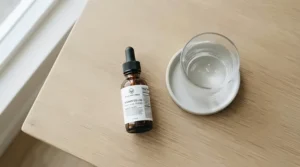
Dental Probiotics for Daily Use: Long-Term Cost and Maintenance
Dental probiotics for daily use only pay off if you can afford and sustain them. Using the price ranges above, here’s roughly what daily use costs. NOW OralBiotic works out at around 20–30p a day. Mouthgenics Dental Probiotics comes to around 50–75p. BioGaia Prodentis lands near 70p–£1 at one lozenge a day, doubling if you take two. Luv Biotics Original Mint Lozenges is around 30p a day at one lozenge, but closer to 90p at the three-a-day pattern one reviewer describes.
Over a year, that’s roughly £70 at the cheap end to £360 at the premium end. Is that sensible? Compare it with a single hygienist appointment.
Maintenance is simple but worth respecting:
- Store as the label says; some products want a cool shelf, others a fridge.
- Keep the lid tightly closed, because moisture shortens shelf life.
- Check best-before dates, especially on import listings.
- Reassess after three months, and if you notice nothing, stop paying for it.
Dental Probiotics for Adults vs Mouthwash, Toothpaste and Floss
Dental probiotics for adults don’t replace your core hygiene tools. They add a different mechanism. This table shows how each option compares.
| Option | What it does | Main limit | Best For |
|---|---|---|---|
| Probiotic lozenge | Adds beneficial bacteria to compete with problem species | Evidence is modest; effects fade if you stop | Adults wanting an extra step, e.g. BioGaia Prodentis for gums or NOW OralBiotic for breath |
| Fluoride toothpaste (1,350ppm+) | Removes plaque and strengthens enamel | Misses between teeth | Everyone, twice daily |
| Interdental brushes or floss | Cleans where bristles can’t reach | Needs technique and consistency | Anyone with bleeding gums |
| Antibacterial mouthwash | Reduces bacteria broadly | Can disturb helpful species too | Short-term use on dentist advice |
The comparison shows probiotics sit on top of the basics, not alongside them. Toothpaste and interdental cleaning remove plaque, while probiotics aim to shift the balance of what grows back. If you use a strong antibacterial rinse, separate it from your probiotic by several hours, and ask your dentist or pharmacist about timing.
Features That Actually Matter (And Those That Don’t)
What matters:
- Strain-level naming. “BLIS K12” or “DSM 17938” beats vague species lists.
- Dissolve time. Longer contact generally helps the bacteria reach your gums.
- Honest CFU labelling. Look for numbers and the point at which they’re measured.
- Storage clarity. If the pack doesn’t tell you, ask the seller.
- Allergen and diet suitability. Milk-derived ingredients and sweeteners matter.
What doesn’t (much):
- Giant strain counts. Twelve strains sound better than two but may deliver less of each.
- Headline CFU alone. Without strain evidence, it’s a vanity metric.
- Flavour gimmicks. Strawberry vanilla or mint won’t change effectiveness, though it might change whether you stick with it.
- “Dentist-formulated” badges. They’re not a regulated quality mark.
One extra nuance: some products add zinc, which has its own breath-freshening reputation. The 2026 breath trial summary mentioned earlier hints zinc may be a useful ally, but that’s a secondary source, so treat it as a hypothesis, not a promise. Sweeteners like xylitol also deserve a mention, since they’re linked to dental benefits.
Safety, Regulations and When to See a Dentist
Food supplements in the UK are regulated as foods, not medicines. That’s why labels use soft wording like “supports” rather than “treats” or “cures”. Any pack promising to “eliminate” gum disease deserves scepticism.
Safety-wise, K12 has a long research record. The Southampton page notes safety across thousands of participants. Even so, check with your GP or pharmacist if you’re pregnant, immunocompromised or taking antibiotics. At least one K12 product’s directions advise seeking medical advice before use if you have an immune-compromising condition.
Most importantly, don’t use probiotics to self-manage warning signs. The NHS gum disease page says to see a dentist if your gums bleed when you brush or eat hard foods, or if they’re painful and swollen. Gum disease is caused by plaque build-up, and serious cases may need deep cleaning under the gums or surgery. A supplement can’t do that job.
Common Mistakes When Buying Dental Probiotics for Adults
- Buying on CFU alone. Strain evidence matters more than a big number.
- Chewing or swallowing straight away. The bacteria need contact time.
- Expecting overnight results. Reviewers and brands describe days to weeks, and gums take longest.
- Using probiotics instead of floss. NHS guidance still puts cleaning between your teeth firmly in your routine.
- Pairing them with antibacterial rinse immediately. Space them out and ask your pharmacist.
- Ignoring allergens. Milk-derived components and polyols affect some adults.
- Overlooking import listings. Check best-before dates, delivery times and return terms.

FAQ
❓ Can I take dental probiotics for adults every day?
❓ How long do adult strength oral probiotics take to work?
❓ Are dental probiotics safe alongside antibiotics or antibacterial mouthwash?
❓ Can vegans or dairy-free adults take dental probiotics?
❓ What should I check before buying dental probiotics on Amazon UK?
Conclusion
Dental probiotics for adults are a promising extra, not a magic fix. The best evidence sits with a few well-studied strains, K12 and M18 for breath and throat and L. reuteri for gum-related outcomes. Even then, most gum research involves probiotics used alongside professional care.
Here’s the short version. Mouthgenics Dental Probiotics is my pick for the broadest all-rounder, especially if you want UK manufacture and a dairy-free K12. BioGaia Prodentis is the choice if gum care is your main concern and you’re already working with a dentist. Luv Biotics Original Mint Lozenges and NOW OralBiotic are the budget-friendly entry points. HealthAid OralProbio suits anyone wanting both BLIS strains in a single lozenge. Great Oral Health Advanced Oral Probiotics and NatureWise Oral Probiotics suit adults who prioritise strain variety and don’t mind imports.
Whichever you choose, build it into a consistent daily oral care routine: fluoride toothpaste, interdental cleaning, then your probiotic last thing at night. Give it a fair four weeks, track what changes, and book that dental check if your gums keep bleeding.
✨ Ready to Find Your Match?
🔍 Click any highlighted product name to check current pricing and availability on Amazon UK. Compare the strains, check the best-before date, and start building a healthier mouth routine today!
Recommended for You
- Oral Probiotic Strains Explained: 7 Best Picks For UK (2026)
- Probiotic Lozenges For Bad Breath: 7 Best Picks For UK Buyers (2026)
- Probiotic Mints Vs Probiotic Lozenges: 7 Best Picks (2026)
Disclaimer: This article contains affiliate links. As an Amazon Associate, I earn from qualifying purchases. If you purchase products through these links, we may earn a small commission at no additional cost to you. This content is general information, not medical or dental advice; consult your dentist or GP about your own circumstances.
✨ Found this helpful? Share it with your friends! 💬🤗
